Last Updated: November 2, 2026
Quick Summary
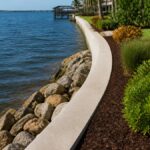
A living shoreline is a shoreline protection approach that uses native vegetation, natural materials and, where needed, a low sill or sand fill to stabilize the bank. Living shorelines can reduce erosion, soften wave energy and provide habitat, and they often fit better with permitting expectations in environmentally sensitive waters.
- Planted marsh and native vegetation bind soil while a sill or sand fill slows water reaching the shoreline.
- Living shorelines add habitat where a seawall would create a hard, uniform edge.
- Sediment often builds behind the structure, which can rebuild the bank over time.
- Expect to monitor plantings for one to two years and replace any that fail.
- Get a site-specific planting plan matched to your tidal elevation, not a generic species list.
Table of Contents
- What Living Shoreline Installation Benefits Waterfront Property Owners
- How Living Shorelines Control Erosion and Reduce Wave Energy
- Habitat, Water Quality and Flood Protection Gains
- Common Living Shoreline Materials and Native Plant Choices for Southwest Florida
- The Living Shoreline Installation Process, Step by Step
- Maintenance and Long-Term Monitoring After Installation
- Permits, Costs Versus Traditional Bulkheads and Your Next Step
- Frequently Asked Questions
What Living Shoreline Installation Benefits Waterfront Property Owners
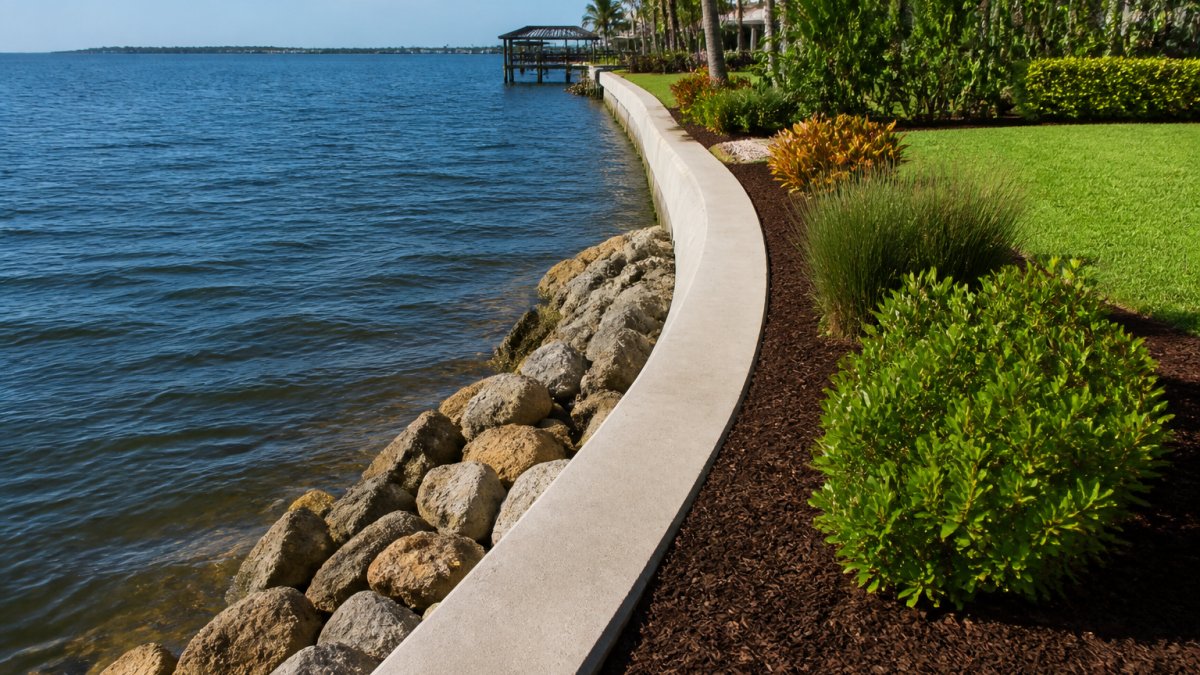
A living shoreline is a shoreline protection approach that uses native vegetation, natural materials and, where needed, a low sill or sand fill to stabilize the bank while keeping it ecologically functional. Waterfront owners in Southwest Florida often weigh this option against a traditional seawall.
Many property owners assume a hard wall is the only serious answer to bank loss. That assumption deserves a second look. A well-designed living shoreline can reduce erosion, soften wave energy and provide habitat, and it often fits better with permitting expectations in environmentally sensitive waters. To see how shoreline protection affects property value, ROI expectations and insurance, read Do Seawalls Increase Property Value?.
The benefits fall into three groups: physical protection of the bank, ecological gains in the adjacent water, and practical advantages for the owner. Below, we walk through each one and explain where the approach works well and where it does not.
How Living Shorelines Control Erosion and Reduce Wave Energy
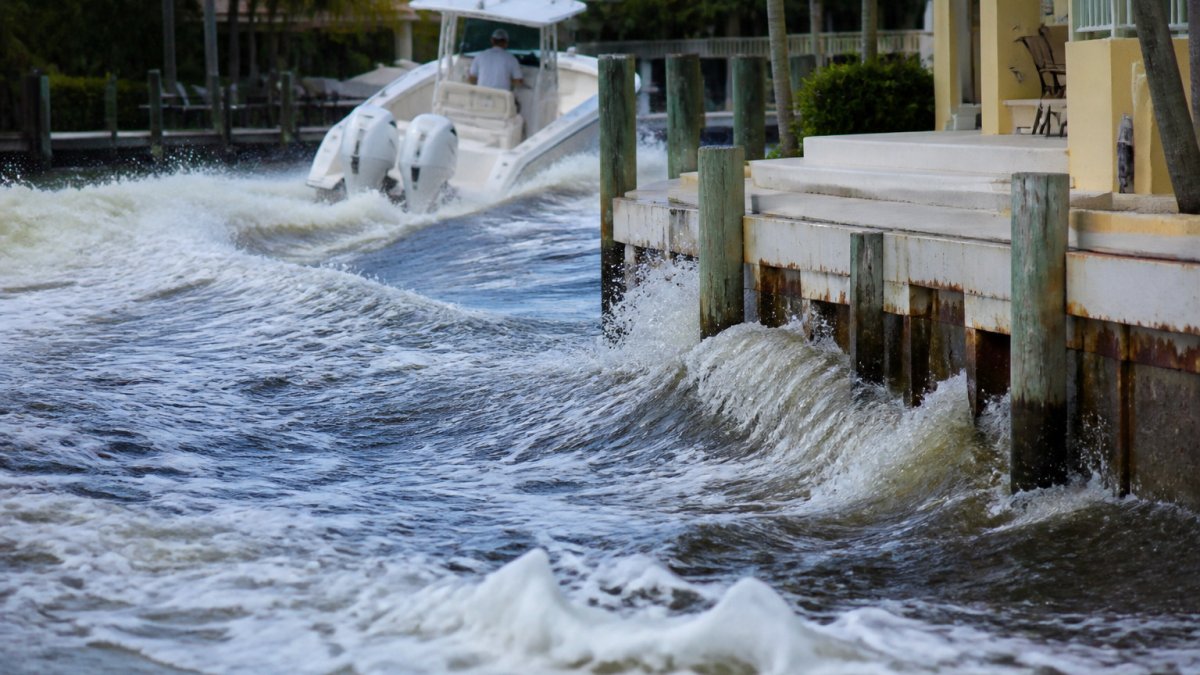
Erosion control is the core job of any shoreline project, and living shorelines handle it differently than a bulkhead. Instead of reflecting wave energy back into the water, which can scour the bottom at the wall’s base, a living shoreline dissipates energy across vegetation, a sill or a sloped planted bank. That energy reduction is the main reason the bank holds.
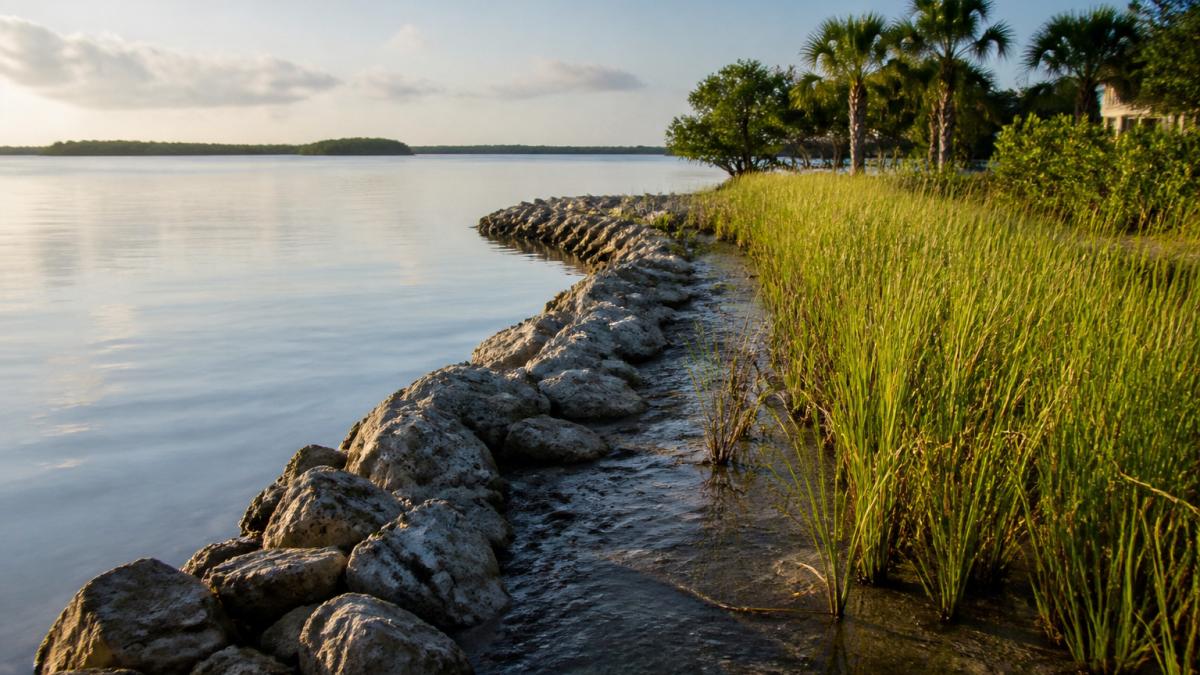
Native marsh grasses and deep-rooted plants bind the soil, while the sill or sand fill slows the water that reaches the shoreline. Over time, sediment tends to accumulate behind the structure, which can rebuild the bank rather than simply holding back loss. This process is slower than a wall going up, so expect the full benefit to develop over several growing seasons.
Watch out: a living shoreline placed in water with high wave energy without an adequate sill or engineered design can fail to hold the bank. Site assessment matters more here than with almost any other shoreline choice.
Habitat, Water Quality and Flood Protection Gains
Living shorelines add habitat in the zone where a seawall would create a hard, uniform edge (What is a living shoreline?). Planted marsh and oyster-friendly materials give fish, crabs and wading birds places to feed and shelter, which supports biodiversity along the shoreline. Vegetation also filters runoff before it reaches open water, helping improve water quality in the adjacent estuary.
For flood protection, the planted band and sill reduce wave runup and help dampen storm surge at the shoreline. The benefit is real but limited: a living shoreline cannot stop a major storm surge event on its own. Pairing it with sound elevation and building practices gives the best overall result.
Common Living Shoreline Materials and Native Plant Choices for Southwest Florida
A living shoreline is only as good as its material stack, and the stack has to match the site’s wave exposure, tidal range and soil. Most practitioners group the build into four layers: soil stabilization, structural energy dissipation, planting, and supplemental habitat.
Soil stabilization layer. Coir logs, coir mats and natural fiber blankets hold the graded bank while roots establish.
Structural energy dissipation layer. Where wave exposure is higher, a stone sill, sand fill, or a hybrid sill-and-marsh design breaks wave energy before it reaches the planted bank.
Planting layer, zoned by tidal elevation. Plant selection is where generic guides fall short, because the right species depends on where the plant sits in the tidal frame:
- Low marsh (regular daily inundation): smooth cordgrass (Spartina alterniflora) is the workhorse along the Gulf and Atlantic low marsh. Saltmeadow cordgrass (Spartina patens) suits slightly higher, less flooded positions.
- High marsh (irregular flooding): black needlerush (Juncus roemerianus), saltgrass (Distichlis spicata), and saltmeadow cordgrass. These tolerate occasional flooding and drier soils.
- Upper edge and upland transition: sea oxeye daisy (Borrichia frutescens), seaside goldenrod (Solidago sempervirens), and native grasses such as seashore paspalum where appropriate. These stabilize the upland toe and transition the project into the yard.
- Mangrove zones (where permitted and appropriate): red mangrove (Rhizophora mangle), black mangrove (Avicennia germinans), and white mangrove (Laguncularia racemosa) in suitable subtropical settings. Mangroves are heavily regulated, so confirm authorization before including them in a design.
Regional differences matter. A Gulf Coast low-energy bay and an Atlantic-facing shoreline do not get the same plant palette or the same sill sizing. Gulf-side protected bays often support broader low-marsh planting with lighter sills, while higher-exposure Atlantic shorelines typically need a more robust sill and a narrower planted band.
Establishment mechanics. Planting windows depend on water temperature and season; in subtropical settings, late spring through early fall generally gives roots the longest warm-season window to establish before winter.
Ask for a site-specific planting plan keyed to your tidal elevation, not a generic species list. The difference between a low-marsh and high-marsh species planted in the wrong zone is often total first-season loss.
::: Properly calibrated vegetation zones ensure long-term stability, which remains a critical component of effective flood zone management for those seeking to adjust their property status.
- Coir logs or natural fiber mats for initial soil stabilization
- Native marsh grasses sized to your tidal zone (low marsh vs. high marsh)
- Oyster shell or reef material only where salinity and substrate support it
- A properly sized stone or sand sill for higher-energy sites
- Upland transition plants to stabilize the bank toe and yard edge
The article lays out how plant choice and material layers vary by tidal zone and site exposure, summarised below.
| Tidal zone | Example native species | Key note |
|---|---|---|
| Low marsh (daily inundation) | Smooth cordgrass (Spartina alterniflora) | Workhorse of Gulf and Atlantic low marsh |
| Slightly higher, less flooded | Saltmeadow cordgrass (Spartina patens) | Suits less frequently flooded positions |
| High marsh (irregular flooding) | Black needlerush, saltgrass, saltmeadow cordgrass | Tolerate occasional flooding and drier soils |
| Upper edge and upland transition | Sea oxeye daisy, seaside goldenrod | Stabilize the upland toe and yard edge |
| Mangrove zones (where permitted) | Red, black and white mangrove | Heavily regulated; confirm authorization first |
The Living Shoreline Installation Process, Step by Step
A typical installation starts with a site assessment that measures slope, wave exposure, soil conditions and tidal range. From there, the design selects the mix of sill, fiber, plants and reef material that fits the site. Permits come next, since most living shoreline work in Florida requires agency review before construction begins.
Construction usually involves grading the bank to the design profile, placing the sill or fiber materials, and planting in the correct zones. Timing matters: planting windows depend on season and water temperature. Once plants are in, they need careful watering and protection while they establish. For a week-by-week view of what to expect from permit to final grading, see the Seawall Installation Timeline: Week-by-Week Guide.
A common mistake is treating planting as the finish line. The first season determines whether the project takes hold, so plan for follow-up visits rather than a single handoff.
Maintenance and Long-Term Monitoring After Installation
Living shorelines are not maintenance-free, and this is where many owners are surprised. Expect to monitor the planted area during the first one to two years, replace plants that fail, and check that sediment and sill materials remain in place after large storms. Monitoring the shoreline after storms and seasonal high tides helps catch problems early, when repairs are inexpensive.
Long-term, the planted bank changes as vegetation matures and sediment builds. Some owners need to manage invasive species or reseed bare patches. Keeping a simple log of conditions and repairs makes it easier to decide when a adjustment is needed and gives permitting agencies a clear record if questions come up later.
Permits, Costs Versus Traditional Bulkheads and Your Next Step
Permitting is the step that most often stalls a living shoreline project, and it is where a practical roadmap pays for itself. In Florida, shoreline work generally falls under the state’s environmental resource permitting framework administered by the Florida Department of Environmental Protection (FDEP), with many activities also reviewed by the U.S. Army Corps of Engineers under Section 404 of the Clean Water Act and Section 10 of the Rivers and Harbors Act.
A practical sequence looks like this:
- Confirm jurisdiction. Determine whether the work is in state waters, federal waters, or both, and whether the waterbody is classified as Outstanding Florida Waters or otherwise specially protected, that classification can change the review standard.
- Pre-application meeting. Most practitioners recommend a pre-application meeting with the reviewing agency to confirm which permits apply before design is locked in. This is the cheapest way to avoid a redesign.
- Design and engineering. Prepare a site plan and, where required, engineered drawings sized to the site’s wave climate and tidal range.
- Submit applications. State and federal applications can often be coordinated, but timelines differ; local review may run on a separate track.
- Notice and review. Some applications require public notice, and agency review periods vary by scope and completeness.
- Construction and post-construction reporting. Many permits carry monitoring or as-built reporting conditions, so plan for follow-up documentation.
Cost versus a traditional bulkhead. A living shoreline and a bulkhead are not interchangeable line items, and comparing them requires looking at total cost of ownership rather than sticker price. The material and labor profile differs: a bulkhead is a concentrated structural install, while a living shoreline spreads cost across grading, sill or fill, fiber, plants and establishment care. The bigger divergence is over time.
Do not compare a living shoreline quote to a bulkhead quote line by line. The scopes are different, and the lifecycle assumptions behind each number matter more than the headline figure. Ask each contractor to state what is and is not included, and over what service life.
What to bring to a site assessment. To get a useful design and a realistic scope, gather your property survey, any prior shoreline permits, photos of the bank at normal and high tide, and a note on your goals, erosion control, habitat, a seawall alternative, or all three. A site assessment measures slope, wave exposure, soil and tidal range, and those measurements drive both the design and the permit pathway.
If you are considering a living shoreline, start with a site assessment and a conversation about your goals. Get a quote from Crocker Marine Services to see what a site-specific design and installation plan would involve for your waterfront. For a broader look at how marine construction budgets are structured, read our Dock Construction Cost Guide, and before breaking ground, review the Lee County Dock Permit Guide to understand which approvals apply to your project.
Frequently Asked Questions
What are the benefits of installing a living shoreline?
A living shoreline reduces erosion, softens wave energy and creates habitat for fish, oysters and birds, while also filtering runoff before it reaches the water. Unlike a hard seawall, it adapts as the shoreline changes and can be designed around the conditions of your specific property. Benefits depend on site conditions such as wave exposure, slope and tidal range, so a site assessment is the first step.
How long does living shoreline installation take?
Timing depends on the length of shoreline, the materials chosen, permitting and weather windows. Crocker Marine Services can give you a project-specific timeline during a consultation.
Are living shorelines suitable for every waterfront property?
No. Living shorelines work best where wave energy is moderate and there is room for plants or natural materials to establish. Properties with very high wave exposure or severe structural damage may need a hybrid design that combines natural elements with structural support. A site evaluation determines which approach fits.
What should homeowners consider before installing a living shoreline?
Consider your shoreline’s exposure, the condition of any existing seawall, local permit requirements and the maintenance commitment involved. Ask for a written scope of work and a clear explanation of what happens if site conditions change during construction. Crocker Marine Services is state-certified and fully insured, and provides quotes through its website.