Last Updated: November 1, 2026
Quick Summary
Landscaping for seawall protection works by using native root systems to bind fill soil, groundcover and mulch to cushion the splash zone, and graded beds that direct stormwater away from the wall. Match plants to your wall’s condition and to three zones: splash zone, upper bank, and transition zone.
- Healthy shoreline plantings absorb wave splash and hold back runoff that would erode soil behind the wall.
- Set beds back from the cap so roots and irrigation lines don’t press against the structure.
- Plant salt-tolerant grasses and low groundcovers in the splash zone, deeper-rooted natives on the upper bank.
- Slope beds so water moves toward a swale or drain, never toward the cap.
- Landscaping is preventive, not restorative: it cannot close cracks, re-anchor tiebacks, or reverse rotation.
Table of Contents
- Why Landscaping Is Your Seawall’s First Line of Defense
- Landscaping Ideas by Seawall Type and Condition
- Plants for Seawall Erosion Control: Salt-Tolerant and Native Choices
- Seawall Drainage Solutions: Managing Runoff and Grading
- Riprap, Stonework, and Shoreline Protection That Works With Your Plants
- Seawall Maintenance and Inspection: What Landscaping Can’t Fix
- Plan Your Waterfront Landscape With a Marine Contractor
- Frequently Asked Questions
Why Landscaping Is Your Seawall’s First Line of Defense
Landscaping ideas for seawall protection start with one honest fact: the plants and soil behind your wall do more structural work than most owners realize.
Here’s the part most guides get wrong. Landscaping is not decoration layered on top of a seawall. It is a working system of roots, graded soil, and drainage that shares the load with the wall itself.
What a Good Landscape Plan Protects
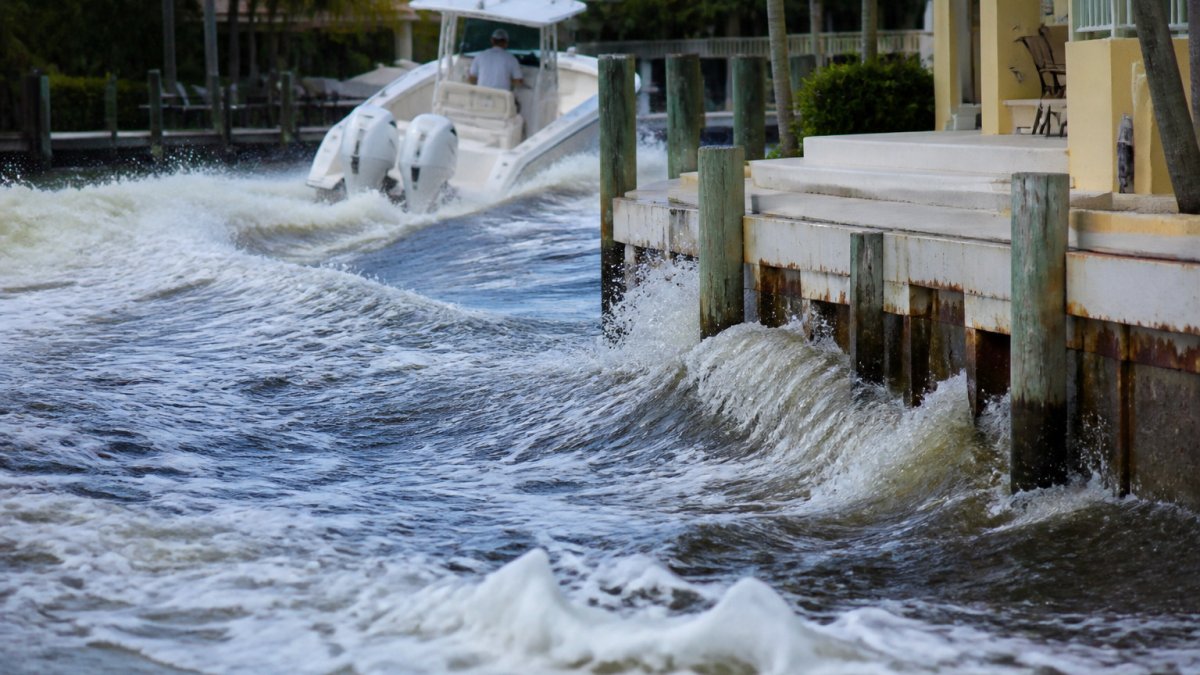
A good landscape plan protects three things: the soil behind the wall, the wall face itself, and your property value. Native root systems bind loose fill soil so it resists washing out through cracks and joints. Groundcover and mulch cushion the splash zone where wave energy hits hardest. Graded beds direct stormwater away from the wall instead of letting it pool and seep.
The Florida Department of Environmental Protection regulates much of the work done at the shoreline, so plant selection and grading often need to fit within those rules. Get the plan right and your seawall faces less stress every storm season.
Landscaping Ideas by Seawall Type and Condition
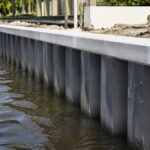
Landscaping ideas for seawall protection should match the wall you actually have, not the wall you wish you had. A new concrete wall and a weathered wall with exposed tiebacks need very different treatment. Here is how we organize the approach.
| Seawall Condition | Landscape Approach | Main Goal |
|---|---|---|
| New or solid wall | Deep-rooted natives, mulch beds, gentle grading | Protect and beautify |
| Aging or weathered wall | Shallow-rooted plants, no heavy trees near the edge | Reduce load and splash |
| Leaning or cracked wall | Minimal planting, professional inspection first | Stop further damage |
New or Solid Seawalls
A new wall is your chance to build the landscape right the first time. Set beds back from the cap so roots and irrigation lines don’t press against the structure.
If you’re planning a new wall and want to landscape around it, it helps to understand seawall installation before the beds go in. The planting plan should follow the construction plan, not the other way around.
Aging or Weathered Seawalls
Older walls need restraint, not more plants. Heavy trees and shrubs close to the edge add weight and root pressure to a structure already working hard. Stick with low, shallow-rooted groundcover and keep the splash zone clear so you can inspect the face.
Watch out: planting a large tree within a few feet of a weathered wall can cause problems. If the wall is leaning, learn how seawall tieback systems anchor a failing wall against soil pressure before you plant anything. Worn caps are a separate issue, and this seawall cap replacement guide covers materials and when replacement makes sense.
Plants for Seawall Erosion Control: Salt-Tolerant and Native Choices
Plants for seawall erosion control work best when they match your salinity, sun exposure, and how often the tide reaches them. Most guides list a handful of salt-tolerant species and stop there.
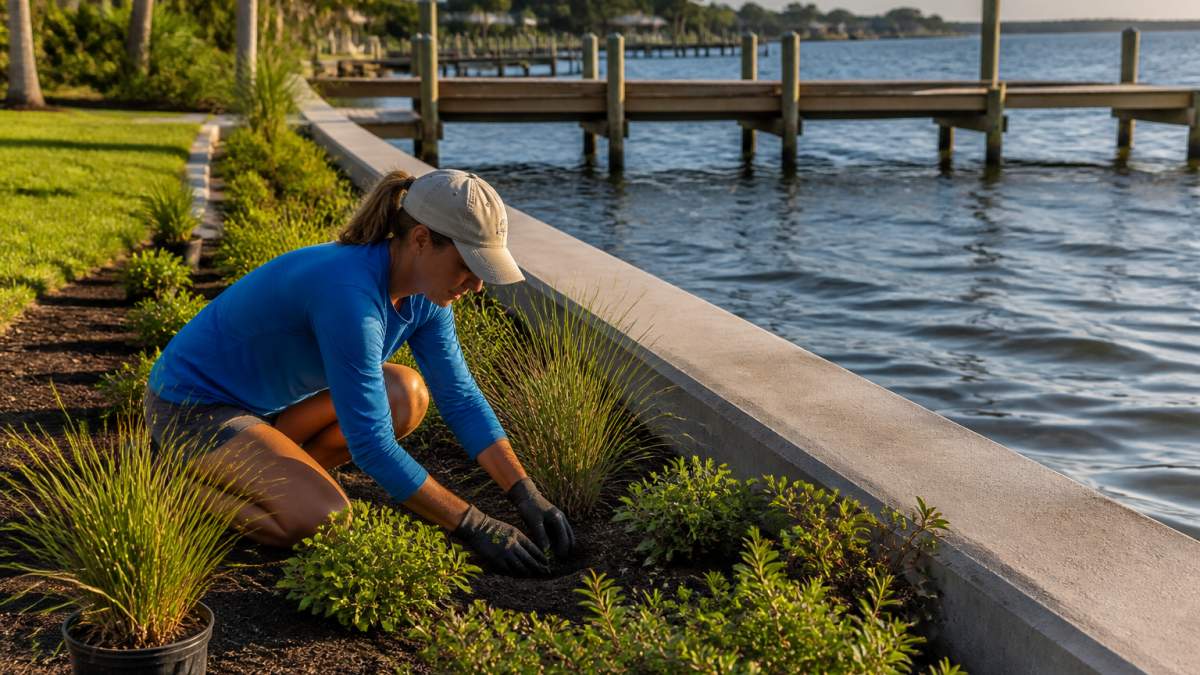
Match Plants to Three Zones, Not One
Think of the ground behind your seawall as three bands. The splash zone is the strip closest to the cap that takes salt spray and occasional wave overtopping. The upper bank is the slope or flat behind the splash zone where soil stays drier. The transition zone is where your landscape meets the rest of the yard and where irrigation, if any, is concentrated.
- Splash zone: salt-tolerant grasses and low, wind-resistant groundcovers. These need to tolerate wet feet after storms and dry out between tides.
- Upper bank: deeper-rooted shrubs and natives that hold soil but do not crowd the wall cap.
- Transition zone: ornamental plants and turf that can handle occasional salt drift but rely on normal yard watering.
Putting a thirsty ornamental in the splash zone is a planting mistake to avoid. It demands irrigation that keeps soil damp against the wall, exactly the condition that drives hydrostatic pressure.
Saltwater, Brackish, and Freshwater Sites
Salinity is the variable most plant lists ignore. A saltwater bayfront, a brackish canal, and a freshwater lake each support different species, and a plant that thrives in one can fail in another.
- Saltwater and high-splash sites: seashore paspalum, cordgrass, sea grape, buttonwood, railroad vine, blanket flower, and beach sunflower are common choices because they tolerate salt spray and periodic inundation. Confirm hardiness for your zone before buying.
- Brackish sites: many of the same grasses work, but you can add more flexibility with natives that tolerate moderate salinity. Watch how far salt water actually reaches during spring tides and storm surge.
- Freshwater lakefront and pond sites: salt tolerance matters less, but wave exposure and water-level fluctuation still do. Focus on natives that hold soil in fluctuating moisture and avoid species that demand constant irrigation.
Hardiness and Sun Exposure
A plant that is salt-tolerant but not hardy in your zone is still a failed planting. Check the USDA plant hardiness zone for your property and match it to the species you choose (2023 USDA Plant Hardiness Zone Map). Sun exposure matters too: a splash zone that bakes in full afternoon sun needs different plants than a shaded canal bank.
Low-Maintenance Choices That Still Hold Soil
The best low-maintenance waterfront plantings share three traits: dense root systems, tolerance for wind and salt, and minimal irrigation needs once established. Native grasses and low shrubs generally outperform exotic ornamentals on all three. Skip thirsty, high-maintenance plants near the wall, they demand irrigation that keeps soil damp against the structure, which is the opposite of what you want. Prioritizing these resilient species ensures long-term soil stability while fostering a balanced ecosystem, which is why selecting the right native plants for landscaping remains the most effective strategy for protecting your shoreline.
Before you buy, walk your shoreline at high tide and after a storm. Note which zones get wet, how far salt spray reaches, and where water pools. That field observation is more useful than any generic plant list.
Seawall Drainage Solutions: Managing Runoff and Grading
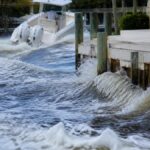
Seawall drainage solutions matter because most wall failures start with water behind the wall, not in front of it. Runoff that pools against the back of a seawall builds hydrostatic pressure and pushes the wall outward.
Direct downspouts and irrigation runoff away from the wall. Slope beds so water moves toward a swale or drain, never toward the cap. Keep mulch and soil below the cap line so stormwater doesn’t wash over the top.
Riprap, Stonework, and Shoreline Protection That Works With Your Plants
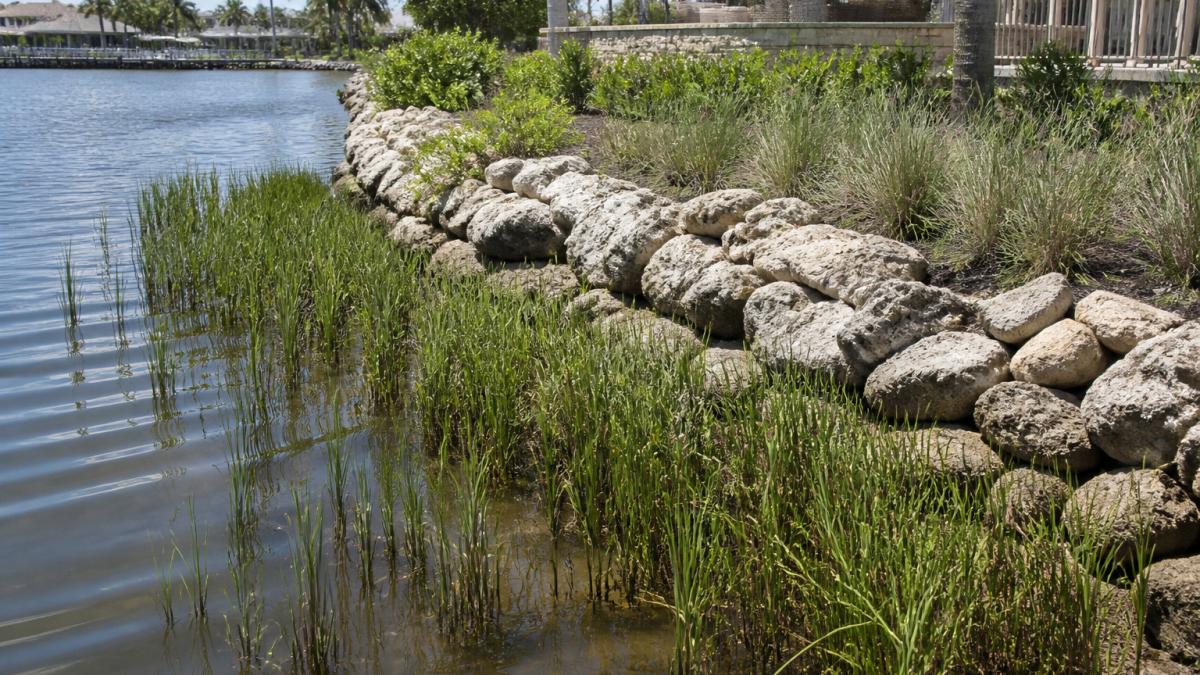
Riprap and stonework give you shoreline protection that works alongside plantings rather than replacing them. Large stones absorb wave energy at the water line, while plants behind them hold the soil and soften the look. The two together outperform either one alone.
Place riprap at the base where waves hit hardest, then transition to planted beds on the upper bank. This layered approach is the same principle behind good shoreline stability work: stone takes the impact, roots hold the soil, and grading moves water away.
Seawall Maintenance and Inspection: What Landscaping Can’t Fix
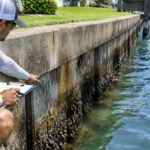
Seawall maintenance and inspection catch the problems plants cannot solve. Landscaping manages soil, water, and splash, but it cannot repair a cracked panel, a failing joint, or a wall that’s rotating outward. Those are structural issues, and no amount of planting will fix them. The harder skill is knowing which warning signs mean “keep landscaping” and which mean “stop and call a contractor.” This section gives you a practical checklist.
Warning Signs That Landscaping Cannot Fix
Walk your wall after every storm season and look for these specific conditions. Any one of them warrants a professional assessment before you spend another dollar on plants or stone.
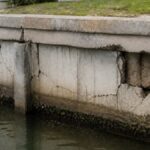
- Horizontal or vertical cracks in concrete panels, especially cracks that are widening or have rust stains along them.
- Soil washing out from behind panels, visible voids, sinkholes, or depressions along the cap.
- Settling or tilting of the cap relative to the panels or the surrounding grade.
What Landscaping Can and Cannot Do
Landscaping is preventive, not restorative. It can reduce splash-zone erosion, bind loose fill soil, and move runoff away from the wall. It cannot restore lost backfill, close a structural crack, re-anchor a tieback, or reverse rotation. If you see the warning signs above, adding plants or riprap can mask the problem and delay the repair that actually protects your property.
Do not plant large trees or heavy shrubs within a few feet of a wall showing any warning sign. Root pressure and added weight can accelerate failure on a structure that is already compromised.
A Simple Decision Framework
Use this sequence before any landscaping project:
- Inspect first. Walk the wall, check the cap, look for cracks, voids, and leaning.
- If warning signs are present, stop. Call a marine contractor for an assessment before planting, grading, or adding stone.
- If the wall is sound, landscape for prevention. Choose plants and grading that reduce load and splash, and keep inspection access clear.
- Re-inspect after storm season. Landscaping changes soil moisture and root mass; confirm the wall still performs as expected.
Keep Inspection Access Clear
One of the most overlooked maintenance points is access. Plants, mulch, and stone placed tight against the cap or over drainage outlets make it harder to inspect the wall and can block the drainage that relieves pressure. Leave a clear strip along the cap and keep outlet pipes and swales visible. A landscape that hides the wall also hides the early warning signs.
When to Call a Professional
If you see movement, undermining, sinkholes, or severe deterioration, call a marine contractor for an assessment before you add another plant. Landscaping protects a sound wall. It cannot rescue a failing one, and the earlier a structural problem is caught, the more options you have for repair.
Plan Your Waterfront Landscape With a Marine Contractor
The best landscape plan starts with knowing what your wall can handle.
Crocker Marine Services is a Southwest Florida marine construction company that handles seawall inspections, repairs, and new construction. Before you hire anyone, read our guide on questions to ask a marine contractor so you know what to expect.
Get started with Crocker Marine Services and build a shoreline that protects your property for years to come.
Frequently Asked Questions
What can I plant along a seawall to help prevent erosion?
Choose salt-tolerant, deep-rooted native plants like sea oats, cordgrass, and salt-tolerant shrubs. These species hold soil in place and absorb wave splash without aggressive roots that crack the wall. Avoid trees and large woody shrubs within a few feet of the seawall, since their roots can pry at joints. Match plants to your splash zone and sun exposure, and group them densely so bare soil does not wash away during storms.
Can landscaping actually protect a seawall from erosion?
Yes, when it is done right. A proper landscape plan slows runoff, stabilizes the soil behind the wall, and reduces the volume of water pushing against the structure. Plants alone will not fix a failing seawall, though. If you see cracks, leaning, or soil washing out from behind the wall, landscaping is a supplement, not a repair. Pair planting with grading and drainage fixes for real seawall protection.
How can I improve drainage behind a seawall?
Seawall drainage solutions start with grading the soil so water flows away from the wall, not toward it. Add a swale or French drain to redirect runoff, keep downspouts and irrigation away from the seawall, and use permeable materials in landscape beds. Never pile soil against the wall above its design height. If water pools behind the wall after storms, have a marine contractor inspect the weep holes and backfill before you plant.
When should a seawall be inspected for damage?
Schedule a seawall maintenance and inspection check at least once a year and after any major storm. Warning signs include cracks, leaning panels, sinkholes or depressions in the yard, soil escaping at the base, and water pooling behind the wall. Landscaping cannot fix structural failure. A licensed marine contractor can confirm whether the wall is sound before you invest in plantings and hardscaping.