Last Updated: November 7, 2026
Quick Summary
Environmental due diligence is worth it for waterfront property because water moves contaminants and shoreline conditions change over time. A Phase I Environmental Site Assessment is the standard first step, and buyers order sampling only when that review flags a specific concern.
- Waterfront parcels can carry risks like tidal exchange, sediment movement and shallow groundwater discharge to surface water
- A standard home inspection typically looks at the building rather than the soil, groundwater or sediment
- A Phase I report identifies Recognized Environmental Conditions but does not measure contamination levels
- Ask which ASTM E1527 edition the Phase I follows and whether it includes the AAI checklist
- Set your due diligence contingency early, since Phase I reports take a few weeks and sampling can take longer
Table of Contents
- Why Waterfront Properties Need Extra Environmental Scrutiny
- Waterfront Hazards and Pathways to Check
- Phase I Environmental Site Assessment: What It Covers
- When Phase II Sampling Makes Sense
- Waterfront Property Environmental Due Diligence Checklist
- Real Estate Due Diligence Contingencies and Timing
- A Worked Example of Waterfront Due Diligence Findings
- Scheduling Your Waterfront Property Review Before Closing
- Frequently Asked Questions
Why Waterfront Properties Need Extra Environmental Scrutiny
Buying waterfront property means buying a relationship with the water. Shoreline structures, docks and seawalls age in salt air and storm seasons, and environmental due diligence is the step that shows what a buyer is really taking on. Environmental due diligence is the review that looks for contamination, hazards and compliance issues before a purchase closes (the EPA).
Waterfront land carries risks that inland parcels often do not. Water moves contaminants, and shoreline conditions change over time. A parcel that looks clean from the road may have a history that only records review will reveal.
- Water can carry pollutants from one property to another
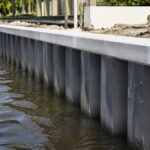
- Seawalls and bulkheads may hide corrosion or failing structure below the waterline
- Past uses, such as fuel storage or boat maintenance, can leave residues in soil and sediment
- Permits and jurisdictional limits can affect what a buyer is allowed to build or repair
Many buyers assume a standard home inspection covers these concerns. A home inspector typically looks at the building rather than the soil, groundwater or sediment around it.
Waterfront Hazards and Pathways to Check
A hazard only matters when it has a way to reach people or the property. Experts call these routes exposure pathways. On a waterfront lot, the most common routes run through soil, groundwater, surface water and sediment, and the water itself changes how each pathway behaves compared with an inland parcel.

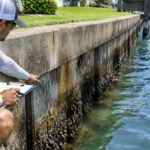
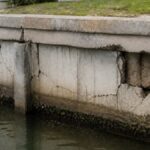
Start with the shoreline. Our seawall inspection checklist lists the cracks, undermining and settlement signs to look for. Look for cracked seawall caps, undermined sections, settled fill, exposed pilings or a visible debris line at high tide.
Next, consider what sits upland and what drains toward the water. A former marine service area, an old fuel tank, a stormwater outfall or a septic system near the shore can all send material toward the water.
Waterfront pathways differ from inland ones in four ways worth understanding:
- Tidal exchange. Twice-daily tides can move contaminated groundwater or sediment pore water in and out of the shoreline zone, spreading a release along the shore rather than letting it sit in one spot.
- Sediment transport. Currents and wave action can deposit contaminated sediment on a beach or beneath a dock, or erode clean sediment away to expose older material.
- Groundwater-surface water interaction. On many waterfront parcels, shallow groundwater discharges directly to surface water. A release in upland soil can reach the water without ever crossing a property line.
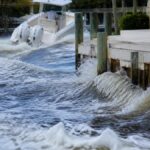
- Storm surge and flooding. Low elevation and changing storm patterns can push water over the property and carry sediment and debris with it, redistributing material across the lot.
Flood exposure also belongs on this list. Check the current flood zone designation and the base flood elevation for the parcel, and ask whether the property has flooded before. Flood insurance requirements and elevation certificates are part of the picture, and they can affect both insurability and future use.
Watch out: A dock or seawall that looks sound from above may still have failing pilings or a hollowed-out base underwater. Ask for an underwater look before assuming it is in good shape.
Phase I Environmental Site Assessment: What It Covers
A Phase I Environmental Site Assessment is the standard first step in most property reviews. It is a records-based and visual review that looks for signs of contamination without collecting samples.
A Phase I review typically includes:
- A review of historical property records and past land uses
- A search of regulatory databases for known spills, cleanups or permits
- A site visit to look for stains, stored materials, tanks or drainage problems
- Interviews with people who know the property’s history
- A review of federal, state and tribal environmental records for the parcel and nearby sites
The report identifies Recognized Environmental Conditions, which are signs that a release of hazardous substances may have occurred (the EPA). It does not measure contamination levels. That is the job of a Phase II assessment, if one is needed.
Phase I work follows the ASTM E1527 standard, which is the practice buyers and lenders most often use to meet the All Appropriate Inquiries rule under the federal Comprehensive Environmental Response, Compensation, and Liability Act (the EPA).
Waterfront parcels change what a consultant reviews in several concrete ways. Because shoreline conditions can shape both contamination pathways and visible nuisance conditions, assessing the impact of algae on property value can help complete the picture of a waterfront parcel.
The core elements of a Phase I review are summarised below so you can see what each part checks and what it leaves for later.
| Element | What it checks | Limit |
|---|---|---|
| Historical records | Past land uses of the property | Records only, no samples |
| Regulatory database search | Known spills, cleanups and permits | Depends on what is on record |
| Site visit | Stains, stored materials, tanks, drainage | Visual, not measured |
| Interviews | People who know the property’s history | Only as good as their memory |
| Standard | ASTM E1527 with AAI checklist | Ask which edition was used |
| Output | Recognized Environmental Conditions | Does not measure contamination levels |
When Phase II Sampling Makes Sense
A Phase II assessment involves collecting soil, groundwater, surface water or sediment samples and testing them in a lab. Buyers usually order one only when the Phase I report flags a concern that records and a site visit cannot resolve.
Sampling decisions depend on what the Phase I found. A former fuel area might call for soil and groundwater samples. A shoreline with visible discharge might call for water or sediment samples near the outfall.
Sampling can be expensive and can take weeks, so timing matters. Do not wait until the last days before closing to decide whether sampling is needed.
- Order sampling when the Phase I flags a specific recognized condition
- Sample where the pathway is most likely, such as near a drain or the shoreline
- Ask the consultant to explain what each sample is meant to answer
- Keep the results for future buyers, lenders and regulators
Our team at Crocker Marine Services can help you understand the shoreline and structure side of the picture. For the environmental testing itself, work with a licensed environmental consultant. You can see our marine inspection services for the structural side of a waterfront review.
Waterfront Property Environmental Due Diligence Checklist
Use this checklist to organize your review before you commit to a purchase.
- Order a Phase I Environmental Site Assessment from a qualified consultant
- Ask the seller about past uses, including fuel, chemicals or boat maintenance
- Check whether any underground or aboveground tanks were removed or remain on site
- Review the seawall, bulkhead and dock condition, both above and below the waterline
- Look for signs of erosion, undermining or settled fill along the shoreline
- Confirm the flood zone designation and elevation of the property
- Verify permit history for the seawall, dock and any dredging or fill
- Ask whether any environmental notices, violations or cleanups are on record
- Decide with your consultant whether Phase II sampling is warranted
- Confirm the findings and timeline before the contingency deadline
This checklist is a starting point, not a full legal or environmental review. Your consultant and attorney should confirm each step for your specific parcel.
Real Estate Due Diligence Contingencies and Timing
A contingency gives you the right to back out of a purchase if certain conditions are not met. For waterfront property, a due diligence contingency often gives you time to finish environmental and structural review.
Set your contingency period early and confirm it in writing. Phase I reports usually take a few weeks. If sampling is needed, that time can grow. A short contingency can leave you rushing or forced to waive protection you need.
Our limited warranty agreement explains the warranty terms that apply to seawall, dock and dredging work, which can matter when you negotiate repair responsibilities after closing.
Ask your real estate attorney to review how the contingency interacts with lender deadlines. A lender may require a Phase I before it funds the loan, and that requirement can affect your timeline.
A Worked Example of Waterfront Due Diligence Findings
Consider a buyer reviewing a canal-front home with a 20-year-old wooden dock and a concrete seawall. The Phase I report notes a former boat repair area on the adjacent upland parcel but finds no release records for the buyer’s lot.
The buyer does not order sampling right away. Instead, the consultant recommends a visual check of the shoreline near the former repair area. The seawall shows a cracked cap and some settling, but no staining in the water.
The buyer then asks a marine contractor for an underwater inspection of the pilings and seawall base. The inspection finds moderate wear that will need repair within a few years. The buyer uses that finding to negotiate a lower price and a repair credit.
This example shows how environmental findings and structural findings work together. Neither one alone told the full story. Your own findings will depend on your property and its history.
Scheduling Your Waterfront Property Review Before Closing
Schedule your review as early as your contract allows. Order the Phase I, arrange any structural or underwater inspection, and gather the seller’s records in the same window. Doing these tasks together saves time and gives you a fuller picture before the contingency ends.
If you own a waterfront property or are weighing a purchase in Southwest Florida, our team can help you plan the marine side of your review. Our marine construction services cover inspections and repairs across the region, and we can work with your consultant and agent on timing. Get in touch with Crocker Marine Services to talk through your property and your next steps.
Frequently Asked Questions
What is environmental due diligence in real estate?
Environmental due diligence is the process of investigating a property for contamination, hazardous substances, and environmental liabilities before a purchase closes. For waterfront property, it typically includes reviewing historical use, regulatory records, and site conditions along the shoreline and in nearby water. Buyers use the findings to decide whether to proceed, negotiate price or repairs, or walk away. Lenders and commercial buyers often require it, and it can protect a buyer from inheriting cleanup obligations. Results depend on the property’s history and the scope of the review, so ask a qualified environmental consultant to define the scope for your specific parcel.
What should a waterfront property environmental due diligence checklist include?
A practical checklist covers the property’s historical uses, including any past fuel storage, boatyard, or industrial activity; regulatory database searches; shoreline condition and erosion; visible staining or odors in soil or water; stormwater and drainage paths; flood zone status; and any permit history for seawalls, docks, or dredging. Buyers should also ask whether sediment or water sampling is warranted and request prior environmental reports. Use the checklist to organize questions for your consultant, not as a substitute for a professional review.
What is a Phase I Environmental Site Assessment?
A Phase I Environmental Site Assessment is a records-based review that identifies recognized environmental conditions at a property. It includes a historical-use review, regulatory database search, and a site visit with a review of surrounding properties. It does not usually include sampling. If the Phase I identifies a concern, a Phase II assessment with sampling may be recommended. Buyers commonly commission a Phase I before closing, and the consultant’s scope should follow recognized industry standards such as ASTM practices.
How do environmental findings affect a real estate purchase contract?
Environmental findings can be addressed through contract contingencies that allow a buyer to terminate, renegotiate price, request seller remediation, or extend the closing timeline. The contract should set a deadline for completing the review so the buyer has time to act on results. Buyers should work with a real estate attorney to align contingency language with the findings and with any lender requirements before the review period ends.