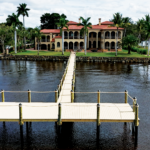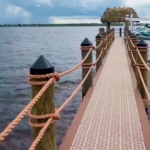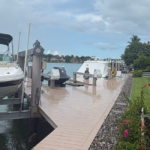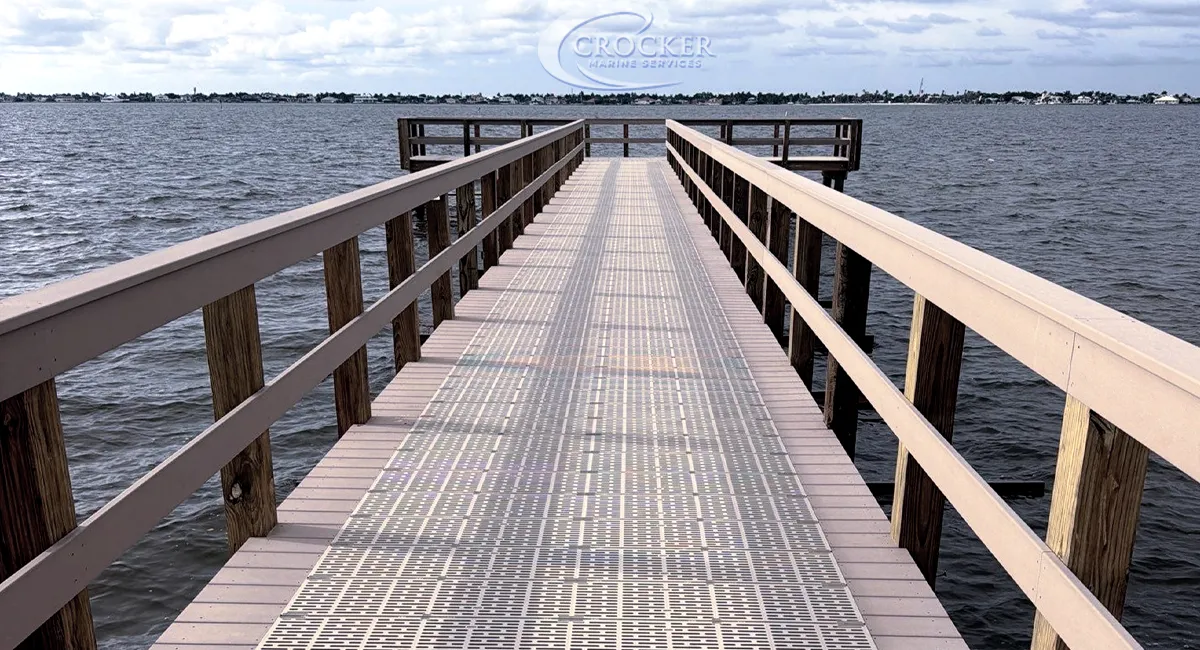
Choosing a fixed or floating dock depends heavily on your specific water conditions and budget. Fixed docks dominate Southwest Florida because our tides only fluctuate a few feet daily. Floating docks cost more but provide excellent adaptability for deep water and areas with fluctuating water levels.
Building Your Perfect Waterfront Lifestyle
You finally own a piece of Southwest Florida paradise. Now you need a new dock to complete the picture. A custom dock is a must for enjoying the boating season.
However, selecting a dock type can feel overwhelming. You must weigh floating docks vs fixed dock designs. This guide will help you make the right choice.
The Risk of Choosing the Wrong Dock Type
Picking the wrong dock system can drain your bank account. It can also make it difficult to enter and exit your watercraft safely. Many homeowners struggle to understand the differences between floating docks and fixed designs.
You worry about storm damage, corrosion, and constant repairs. You want a safe and stable choice for your waterfront. You also want a smart investment that will provide long-term value. Choosing the right dock is a must.
Understanding Your Dock Options
What is a Fixed Dock?
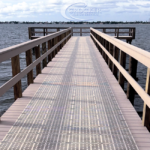
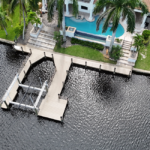
A fixed dock is a permanent, stationary structure. It is securely anchored to the shore and rigidly built. The pilings are driven deep into the seabed.
This stationary dock design means the deck height never changes. The height of the pilings keeps the deck safely above the water. A fixed dock is often made of wood or concrete. High tides could submerge the deck if built too low.
What is a Floating Dock?
A floating dock rests on buoyant tubs or flotation devices. This floating option connects to pilings but moves freely. The deck will naturally rise and fall with the water.
Many floating systems feature a modular design for easy expansion. These docks adapt perfectly to changing water levels.
Key Factors for Dock Selection
Water Depth and Tides
Southwest Florida has a moderate tidal range. Our local water level changes usually shift between two and four feet. Fixed docks handle this regular tide perfectly.
Your boat remains easy to access at high or low tide. However, floating docks are ideal for extreme water fluctuations. If your water levels fluctuate significantly, a floating dock adjusts automatically. A major consideration is the water level fluctuation in your canal.
Comparing Costs and Value
Budget plays a huge role in choosing a dock. Fixed docks provide excellent value and stability. One major advantage is superior stability. They are the standard choice for most local waterfront properties.
Floating docks typically cost 20 to 30 percent more. The specialized floating hardware drives up the overall cost. You must weigh this expense against how you plan to use your dock. Your specific dock use dictates the final budget.
Maintenance and Durability
Every body of water requires specific dock maintenance. Fixed docks need regular piling inspections and deck cleaning. They stand strong against choppy water traffic and boat wakes.
Floating docks have moving parts that wear out over time. The hinges and brackets need constant checks to prevent corrosion. You might also notice noise levels increase. There can be a squeaking noise when they move.
Hurricane and Storm Performance
Extreme weather is a reality in Southwest Florida. Fixed docks offer superior stability during high winds and weather events. Our hurricane-resistant construction keeps them secure.
Floating docks face severe stress during storm surges. They ride the waves but can break loose. A massive surge could lift them right off the pilings.
Professional Advice for Your Waterfront
Building a pier or dock is not a DIY project. You need a heavy barge, specialized equipment, and marine construction expertise. We see many homeowners regret their initial selection.
We guide you through a proven comparison process. First, we measure the exact depth of the water at your seawall. Next, we evaluate your specific watercraft and usage needs.
Since fixed docks work best locally, we often recommend them. However, floating docks make sense for very deep water. Our True Price Guarantee ensures you never see surprise change orders.
The Final Verdict for Southwest Florida
When making a fixed vs floating comparison, fixed docks usually win locally. They offer unmatched stability and better pricing for standard canals.
Floating docks serve a specific purpose for deep water or a reservoir. We build both fixed and floating types with premium materials. We ensure your new setup matches your lifestyle perfectly.
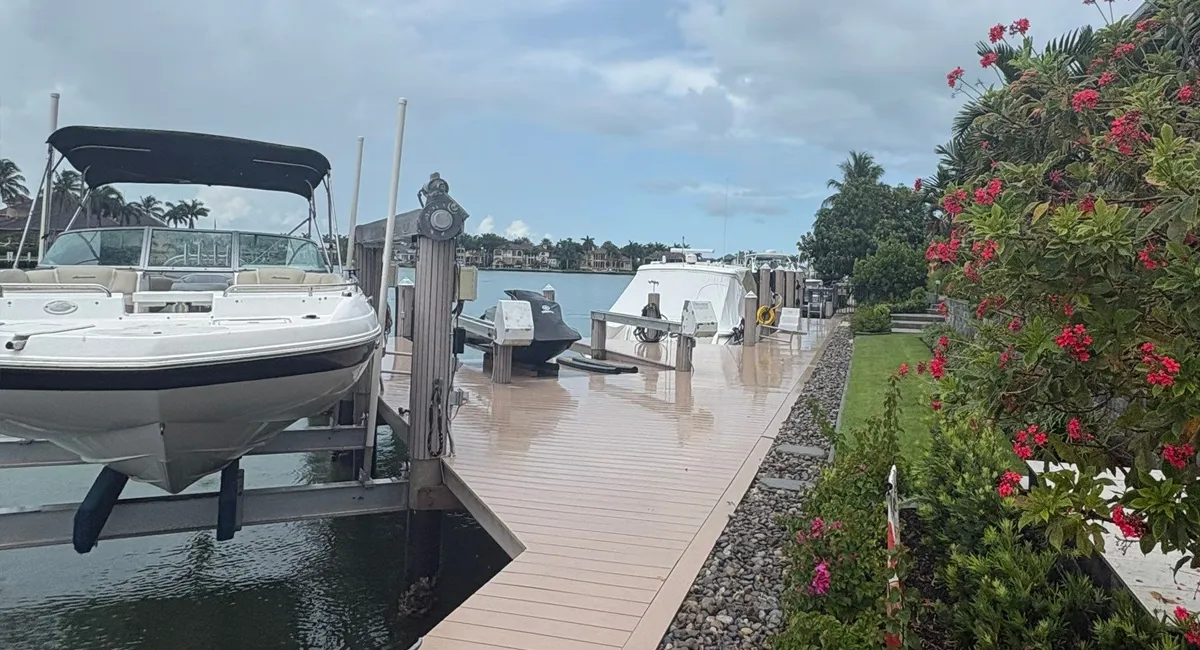
You can also pair your dock with our custom boat lift services. We provide comprehensive inspections to keep your investment safe.
Quick Answers About Dock Types
Q: Are floating docks more expensive than fixed docks?
A: Yes. A floating dock usually costs 20 to 30 percent more. The specialized buoyant hardware increases the price.
Q: Can a floating dock survive extreme weather conditions?
A: They can survive but face higher risks. A massive storm surge can lift them off their pilings.
Q: Which type of dock is better for a Southwest Florida canal?
A: Fixed docks are better for most local canals. Our moderate tides do not require a floating dock system.
Q: What are the pros and cons of a floating dock vs fixed dock?
A: Floating docks adapt to water level fluctuations but cost more. Fixed docks provide long-term stability but do not adjust to the water level.
Q: Do I need a professional to build my dock system?
A: Yes. Marine construction requires heavy equipment like a barge. It also requires strict permitting and expert knowledge.
Start Your Custom Dock Project Today
Stop guessing about your waterfront project. Let our experts design the perfect dock for your property. We deliver quality craftsmanship and exceptional service.
Contact Crocker Marine Services to schedule your site visit. Explore our custom dock installation options to learn more.
Key Takeaways
- Evaluate your daily water level changes before selecting a dock type.
- Choose a fixed dock for standard canal properties with moderate tides.
- Consider a floating option for deep water or a marina environment.
- Plan for a 20 to 30 percent higher cost for floating systems.
- Understand that floating docks may require more maintenance for moving parts.
- Hire a licensed marine contractor to ensure safe and legal construction.
- Rely on our True Price Guarantee for honest and transparent pricing.
- Schedule a professional site inspection to determine the best dock vs fixed dock design.