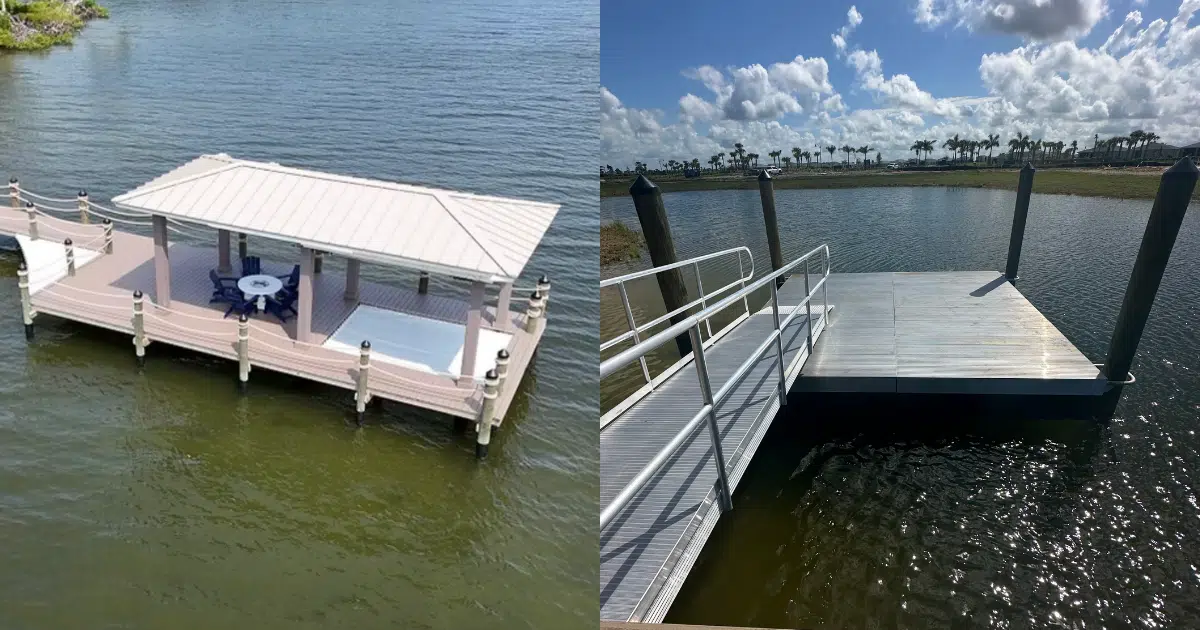
Hurricane season brings serious concerns for Cape Coral waterfront property owners. When storm warnings arrive, you face a critical question: are your dock and seawall ready to withstand what's coming? The lessons learned from Hurricane Ian taught Southwest Florida homeowners that proper hurricane preparation can mean the difference between minor repairs and catastrophic damage to your boat and marine structures.
Your dock and boat represent significant investments in your waterfront property. Taking the right steps before hurricane season starts protects that investment and gives you peace of mind when storms threaten. Early preparation makes all the difference when a tropical storm or hurricane approaches.
Why Hurricane Preparation Matters for Cape Coral Waterfront Properties
Hurricane Ian devastated Southwest Florida's waterfront communities in 2022. The storm destroyed countless fixed docks, compromised seawalls, and left property owners facing repair bills that reached into the tens of thousands. Many boat owners discovered that hurricanes can cause irreparable damage when structures lack proper hurricane prep or hurricane-resistant construction.
Cape Coral's extensive canal system makes the area particularly vulnerable to storm surge. When hurricanes approach, the combination of high winds and rising water levels creates enormous pressure on dock systems and seawalls. Fixed docks that seemed solid during calm weather failed under storm conditions. Seawalls that showed minor cracks before the storm suffered complete breaches when surge hit.
The storm surge from Hurricane Ian taught critical lessons about marine structure protection. Water levels rose far higher than many property owners anticipated. Strong winds combined with surge created forces that overwhelmed conventional dock construction. Every vessel left at docks without proper preparation suffered damage. The National Hurricane Center's warnings proved accurate, yet many waterfront properties remained unprepared.
The financial impact extends beyond repair costs. Insurance claims take months to process. Finding qualified contractors becomes difficult when everyone needs repairs simultaneously. Property values drop when waterfront access disappears. Proactive hurricane preparedness before storm season prevents these cascading problems.
Pre-Storm Inspection Checklist for Docks and Seawalls
Start your hurricane prep with a thorough inspection at least two months before peak hurricane season. This timeline gives you adequate time to address problems before a hurricane or tropical storm threatens. Keep an eye on the weather throughout storm season, but don't wait until evacuation orders arrive to begin preparation.
What to Look for in Your Dock
Walk your entire dock and check every component. Your dock isn't storm-ready if you find loose boards, rusted fasteners, or wobbly piling connections. Test the stability by applying pressure to railings and decking. Check underneath for damaged cross-bracing or deteriorated support beams.
Pay attention to connection points where the dock meets each piling. These joints take enormous stress during storms. Any movement or separation at these locations indicates weakness that will worsen under hurricane conditions. Fixed docks rely on piling strength to withstand surge and high winds.
Examine your electrical system, lighting fixtures, and shore power connections. These need to be disconnected or properly secured before storms arrive. Water intrusion through electrical systems creates additional hazards during storm cleanup.
Check dock lines and hardware. Heavy-duty dock lines provide your first line of defense for securing your vessel. Inspect cleats, bollards, and tie-down points for corrosion or looseness. Every boat needs multiple secure attachment points to survive a hurricane.
Seawall Warning Signs
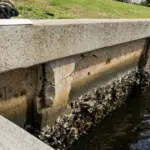
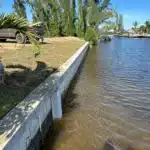
Your seawall inspection requires different focus. Look for cracks, even hairline fractures. Check for leaning or tilting away from the vertical position. Inspect joints between panels for separation or gaps. Your seawall protects your entire waterfront property from storm surge damage.
Walk the base of your seawall at low tide. Look for erosion behind or underneath the structure. Water flowing through or around your seawall indicates serious problems that require immediate professional attention. Storm surge will exploit any weakness in seawall construction.
Check for rust stains or exposed rebar in concrete seawalls. These signs of damage indicate internal deterioration that compromises structural integrity. A failing seawall cannot protect your dock and boat during a hurricane.
Boat Lift and Vessel Assessment
Inspect boat lift cables for fraying or corrosion. Test the motor and ensure smooth operation. Check all mounting bolts and connection points for tightness. Look for bent beams or damaged cradle bunks that could fail during a storm.
For boat owners keeping vessels at the dock during storm season, preparation becomes critical. Check your bilge pump operation. A working bilge pump prevents water accumulation that could sink your boat during heavy rain and surge. Verify your bilge system can handle increased water intrusion.
Inspect hatches and vents on your vessel. Secure every hatch properly to prevent water intrusion. Check that vents have covers or can be sealed before a hurricane arrives. Protect your boat by addressing these vulnerable points before storm prep becomes urgent.
Securing Your Marine Structures Before Hurricane Season
Once you've completed inspection and addressed any problems, focus on securing everything properly. Hurricane preparedness requires systematic preparation of your dock, boat, and all dockside equipment.
Remove or Secure Dock Accessories
Take down all removable items. Dock boxes, chairs, tables, planters, and decorative elements become dangerous projectiles in strong winds. Store these loose items in a garage or secure building. Items you can't remove entirely need heavy-duty straps or hurricane-rated fasteners.
Remove canvas covers, bimini tops, and any fabric elements from your dock and boat. These catch wind like sails and create enormous forces that damage mounting points. Protect your vessel by eliminating wind-catching surfaces.
Secure permanent fixtures with additional fasteners or hurricane straps. Anything that stays dockside needs reinforcement beyond normal installation standards. Every boat owner should maintain a list of dock products and accessories requiring storm prep.
Proper Boat Positioning and Protection
Secure your boat using multiple heavy-duty dock lines. Add extra lines beyond your normal configuration. Position fenders to protect your boat from dock contact, but understand that fenders alone won't prevent damage during a major hurricane. Consider whether your dock safe enough to keep your boat, or if you should plan to leave the vessel elsewhere.
If you keep your boat at the dock during a hurricane, disconnect shore power to prevent electrical system damage. Disconnect fuel lines where possible to minimize fire risk. Remove or secure loose items from the boat deck. Prepare your boat for a hurricane by eliminating anything that strong winds could tear away.
Check that your bilge pump has backup power or manual operation capability. Rising water levels during storm surge can overwhelm standard bilge systems. Protect your vessel by ensuring water removal capability throughout the storm.
For boat owners with trailers, removing your vessel from the water provides the best protection. A boat stored on land away from surge zones avoids the damage to your boat that dockside vessels suffer. Every vessel benefits from land storage during major hurricanes.
Managing Loose Items and Debris
Walk your entire waterfront property and secure or remove everything. Kayaks, paddleboards, fishing equipment, dock carts, and maintenance tools all need storage away from the water. These loose items become projectiles that damage your dock safe areas and neighboring properties.
Check neighboring properties too. Items from nearby docks become hazards during storms. A proactive approach includes communicating with other boaters about securing their equipment.
Emergency Preparation Essentials
Create a comprehensive emergency contact list before hurricane season starts. Include your insurance agent, marine contractor, and local permitting office. Add contact information for your neighbors, particularly if you plan to leave during evacuation.
Document everything about your dock and boat. Take detailed photographs and videos from multiple angles. Record serial numbers from equipment. Measure dimensions of your dock and seawall. Keep a list of all accessories and their values. This documentation becomes essential for insurance claims and repair estimates after a storm has passed.
Store all documentation in waterproof containers and keep digital copies in cloud storage. You need access to this information even if your home suffers damage during the hurricane.
Monitor storm forecasts from the National Hurricane Center throughout hurricane season. Understanding storm tracks and surge predictions helps you make informed decisions about preparation timing. Don't wait until a hurricane becomes imminent to begin securing your vessel and dock.
Post-Storm Inspection Protocols
After the storm has passed and authorities declare it safe to return, inspect your structures carefully before using them. Look for obvious signs of damage first, then check for subtle problems that might not be immediately visible.
Do not walk on docks showing any instability signs. Do not operate equipment until you've verified that all components remain intact and properly aligned. Storm surge and high winds create damage that isn't always obvious at first inspection.
Take photographs of any damage before making temporary repairs. Insurance companies require documentation of hurricane damage in its original condition. Document damage to your boat separately from dock damage for insurance purposes.
Contact professional marine contractors for assessment even if damage seems minor. Hidden structural problems in pilings, seawalls, or dock construction often worsen quickly if not addressed properly. Professional inspection identifies issues that property owners might miss during initial cleanup.
The Value of Hurricane-Resistant Construction
Hurricane Ian recovery projects revealed clear patterns. Structures built to hurricane-resistant standards suffered far less damage than conventionally built marine structures. Modern engineering and proper construction techniques make a significant difference in storm survival for hurricane-prone areas like Florida.
Hurricane-resistant construction uses heavier pilings driven deeper into the seabed. Connections use specialized fasteners designed for extreme loads. Materials selection considers both strength and corrosion resistance in marine environments. Fixed docks built to these standards better withstand surge and strong winds.
Cape Coral property owners who invested in hurricane-resistant dock construction before Hurricane Ian faced minimal repairs afterward. Many of these structures required only minor adjustments while neighboring conventional docks needed complete rebuilding. Proper hurricane construction protects your dock investment long-term.
The lessons from Ian demonstrate that construction quality directly impacts storm survival. Tips for preparing include working with experienced marine contractors who understand hurricane-prone region requirements. Storm-ready construction provides protection that conventional methods cannot match.
Dock Maintenance Throughout Storm Season
Regular dock maintenance improves storm readiness. Monthly inspections throughout hurricane season help you identify developing problems before they become critical. Check piling connections, decking integrity, and hardware condition regularly.
Address small repair needs immediately. Minor problems become major failures when a hurricane strikes. Proactive maintenance keeps your dock safe and storm-ready throughout the season.
Protecting Your Waterfront Investment
Hurricane prep for your dock and seawall requires systematic inspection, proper securing of all components, thorough documentation, and professional assessment of any problems. Protect your dock and boat through early preparation before storm season intensifies. Secure your boat using proper techniques and heavy-duty equipment. Address any signs of damage in dock systems or seawalls immediately.
Your waterfront property represents a significant investment. Protecting that investment through proper hurricane preparedness makes financial sense and provides peace of mind when storm warnings arrive. Storm-ready marine structures minimize damage and simplify recovery after hurricanes pass.
Need help preparing your marine structures for hurricane season? Crocker Marine Services specializes in hurricane-resistant construction and pre-storm inspections throughout Cape Coral and Southwest Florida. Call (239) 841-9674 to schedule your consultation. Don't wait until a tropical storm approaches to discover problems with your dock or seawall.