There’s nothing quite like a day fishing the warm waters of the Gulf of America. From shallow grass flats to deep offshore structures, the Gulf offers some of the best year-round fishing opportunities for anglers of all skill levels. Whether you’re targeting redfish inshore or chasing grouper offshore, understanding seasonal patterns, tides, bait selection, and local conditions can dramatically improve your success on the water.
At Crocker Marine Services, we spend countless hours around Southwest Florida’s waterways, and one thing remains true: preparation and local knowledge make all the difference.
Understand the Gulf’s Seasonal Fishing Patterns
One of the biggest mistakes anglers make is fishing the same way year-round. Fish behavior changes significantly depending on water temperature, bait movement, tides, and weather conditions.
During the spring and early summer months, species like snook, redfish, trout, and tarpon become highly active in shallow coastal waters. As temperatures rise, baitfish schools move closer to beaches and passes, attracting larger predator fish. Fall fishing in the Gulf is often considered some of the best of the year because cooling water temperatures trigger aggressive feeding patterns before winter.
Winter fishing can still be productive, especially for sheepshead, pompano, black drum, and offshore grouper, but anglers typically need to slow presentations down and focus on deeper structures or warmer afternoon water temperatures.
Learning how fish react to seasonal changes is one of the fastest ways to consistently improve your catch rates.
Fish the Tides — Not the Clock
Many experienced Gulf Coast anglers will tell you that tides matter more than time of day. Moving water creates feeding opportunities by pushing bait through channels, mangroves, docks, and grass flats.
Incoming tides often bring cleaner water and baitfish closer to shorelines, making them ideal for targeting snook and redfish. Outgoing tides can concentrate bait around creek mouths and deeper channels where predator fish wait to ambush prey.
If you’re fishing Southwest Florida waters, focus on areas where tidal movement creates natural current breaks. Fish use these areas to conserve energy while waiting for food to pass by.
Understanding local tide charts before heading out can greatly improve your chances of success.
Match Your Bait to Local Conditions
One of the most overlooked fishing tips in the Gulf of America is matching your bait to what fish are naturally feeding on that day.
Live shrimp remains one of the most versatile baits for Gulf Coast fishing because it attracts a wide range of species. Pilchards, pinfish, threadfin herring, and mullet are also highly effective when larger game fish are actively feeding.
Artificial lures can be equally productive when used correctly. Soft plastics, paddle tails, topwater plugs, and jerk baits work extremely well in shallow water conditions. Color selection should depend on water clarity:
- Clear water: Natural colors like silver, white, green, and translucent baitfish patterns
- Dirty water: Darker colors or brighter chartreuse tones for visibility
- Low light conditions: Topwater lures often create explosive strikes during sunrise and sunset
Successful anglers constantly adapt their presentation based on conditions instead of relying on the same lure every trip.
Focus on Structure and Habitat
Fish rarely roam open water without purpose. In the Gulf, structure almost always holds fish.
Look for:
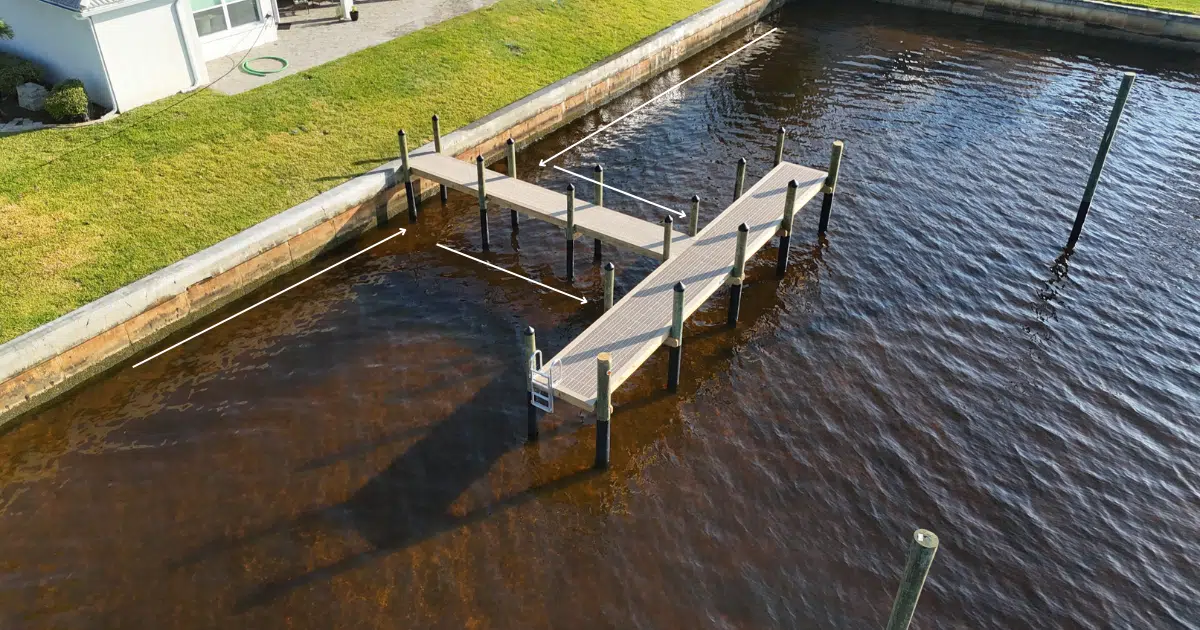
- Docks and pilings
- Mangrove shorelines
- Oyster bars
- Artificial reefs
- Rock piles
- Grass flats
- Bridges and passes
These structures provide food, protection, and ambush points for predatory fish. Offshore anglers should pay close attention to ledges, wrecks, and bottom contour changes where grouper, snapper, amberjack, and cobia commonly gather.
Using modern marine electronics and GPS mapping systems can help identify productive fishing spots much faster while also improving boating safety.
Weather Awareness is Critical on the Gulf
The Gulf of America can change quickly, especially during Florida’s summer months. Afternoon thunderstorms, shifting winds, and rough seas can develop with little warning.
Before every trip:
- Check marine weather forecasts
- Monitor radar conditions
- Watch wind direction and wave height
- Ensure all safety equipment is operational
Smart anglers know that no fishing trip is worth compromising safety.
Proper Boat Maintenance Keeps You Fishing
Nothing ruins a fishing trip faster than unexpected mechanical issues. Routine marine maintenance plays a major role in keeping your boat reliable and ready for the water.
Regular engine service, electrical inspections, hull cleaning, propeller checks, and lift maintenance help prevent costly downtime and protect your investment long term.
At Crocker Marine Services, we help Southwest Florida boaters keep their vessels operating at peak performance so they can spend more time fishing and less time dealing with repairs.
Before You Hit the Water
Fishing the Gulf of America offers incredible opportunities for both recreational and experienced anglers. By understanding tides, seasonal patterns, bait selection, structure, and weather conditions, you can dramatically increase your chances of landing quality fish on every trip.
Whether you’re fishing the backwaters, beaches, or offshore reefs of Florida’s Gulf Coast, preparation and local knowledge will always give you an edge.
For more boating tips, marine service insights, and Gulf Coast fishing content, follow the latest updates from Crocker Marine Services.