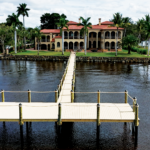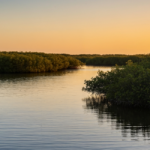
Southwest Florida's coastal waters represent some of the most ecologically diverse and sensitive marine environments in the United States. From the expansive seagrass meadows of Charlotte Harbor to the mangrove-lined shores of the Ten Thousand Islands, these ecosystems support an incredible array of marine life while providing essential protection for our coastline. When you plan a marine construction project, whether installing a new dock, building a seawall, or adding a boat lift, understanding and respecting these environmental considerations becomes not just a regulatory requirement but a responsibility to preserve the natural resources that make waterfront living in Southwest Florida so exceptional. This comprehensive guide explores the critical environmental factors that influence marine construction projects, the regulations designed to protect our coastal ecosystems, and how responsible contractors balance quality construction with environmental stewardship.
Why Environmental Considerations Matter in SWFL Marine Construction
The coastal waters of Southwest Florida host remarkably complex and interconnected ecosystems that have evolved over thousands of years. Seagrass beds stretch across thousands of acres, providing nursery habitat for juvenile fish, feeding grounds for manatees, and natural water filtration that maintains the clarity our region depends on for tourism and quality of life. Mangrove forests line our shores, offering critical habitat for countless species while protecting upland areas from storm surge and erosion. Coral reefs, though less extensive than in the Florida Keys, still exist in pockets throughout our region and support diverse marine communities.
Marine construction activities, when conducted without proper environmental considerations, create significant risks to these delicate ecosystems:
- Physical disturbance of the sea floor destroys seagrass beds that take years to recover.
- Increased turbidity from construction activities blocks sunlight that seagrasses need for photosynthesis.
- Pollutants from construction materials or equipment leach into the water, affecting water quality and harming marine organisms.
- Noise and vibration from pile driving disturb fish, marine mammals, and nesting seabirds.
- Altered water flow patterns from improperly designed structures lead to erosion in some areas and sediment accumulation in others.
The long-term consequences of environmentally irresponsible construction extend far beyond the immediate project site. Degraded water quality affects entire estuaries. Lost seagrass habitat reduces fish populations that support both commercial and recreational fishing industries. Disrupted coastal processes accelerate shoreline erosion on neighboring properties. These impacts accumulate over time as more waterfront development occurs, making individual project compliance with environmental standards essential for protecting the collective resource.
Understanding these environmental considerations helps property owners make informed decisions about their marine construction projects. When you work with contractors who prioritize environmental responsibility, you contribute to preserving the natural beauty and ecological health that make Southwest Florida waterfront property so valuable. You also avoid the legal complications, project delays, and financial penalties that result from environmental violations.
Environmental Permitting Requirements for Marine Construction
Marine construction in Southwest Florida operates under a comprehensive regulatory framework designed to protect coastal resources while allowing reasonable waterfront development. Understanding these permitting requirements helps property owners anticipate the timeline and process for their projects while ensuring full compliance with environmental regulations.
Federal regulations govern marine construction through multiple agencies:
- U.S. Army Corps of Engineers administers permits under Section 10 of the Rivers and Harbors Act for any work in navigable waters and under Section 404 of the Clean Water Act for activities that involve discharge of dredged or fill material into waters of the United States.
- Environmental Protection Agency reviews these permits to ensure compliance with water quality standards and may object to permits that pose unacceptable environmental risks.
These permits require detailed project descriptions, environmental impact assessments, and often mandate specific construction methods or mitigation measures to minimize environmental harm.
State regulations administered by the Florida Department of Environmental Protection add another layer of environmental oversight:
- Environmental Resource Permits are required for activities that alter surface water flows, including most marine construction projects.
- These permits evaluate impacts to water quality, wetlands, and other surface waters.
- Applicants must demonstrate that projects will not cause violations of state water quality standards.
- The Florida Fish and Wildlife Conservation Commission reviews projects for impacts to protected species, including manatees, sea turtles, and various bird species that nest along our coastline.
Local governments in Southwest Florida often maintain additional environmental ordinances that address specific regional concerns. Lee County, Collier County, Charlotte County, and Sarasota County each have regulations governing setbacks from mangroves, restrictions on construction during sea turtle nesting season, and requirements for erosion control during construction. Some municipalities within these counties impose even stricter standards for waterfront construction in environmentally sensitive areas.
Required Environmental Assessments
Most marine construction projects require some level of environmental assessment before permits can be issued. Simple projects like minor dock repairs may qualify for general permits with minimal assessment requirements. More complex projects such as new seawall construction or significant dock installations typically require detailed environmental surveys documenting existing conditions at the project site.
These assessments often include:
- Seagrass surveys conducted by qualified marine biologists who map the extent and species composition of seagrass beds in the project area. Surveys must be conducted during the growing season when seagrass is most visible and follow specific protocols established by regulatory agencies.
- Manatee habitat assessments that evaluate whether the project area provides important habitat for these endangered marine mammals. Areas with documented manatee use face additional restrictions on construction timing and methods.
- Mitigation requirements for projects that will impact seagrass, typically requiring creation or restoration of seagrass habitat elsewhere to offset unavoidable impacts.
Projects in designated manatee protection zones must include educational signage and may require installation of manatee awareness devices.
Timeline and Process for Environmental Approvals
The environmental permitting process adds significant time to marine construction projects, typically requiring three to six months for straightforward projects and up to a year or more for complex projects in sensitive areas. The process follows these general steps:
- Pre-application consultation where contractors and property owners meet with regulatory agencies to discuss the proposed project and identify potential environmental concerns.
- Application preparation and submission including project plans, environmental assessments, and proposed mitigation measures.
- Agency review where regulators evaluate applications, often requesting additional information or modifications to address environmental concerns.
- Public notice and comment period for projects with significant environmental impacts, allowing neighboring property owners and environmental organizations to review and comment on proposed projects.
- Permit issuance with specific conditions that contractors must follow during construction.
Once agencies complete their review and determine that projects meet environmental standards, they issue permits with specific conditions. These conditions typically include requirements for turbidity monitoring, restrictions on construction timing, and mandates for environmental monitoring during and after construction to verify that predicted impacts do not exceed permitted levels.
Protecting Southwest Florida's Coastal Resources
Successful marine construction in Southwest Florida requires careful attention to multiple environmental resources that make our coastal waters so productive and valuable. Each resource presents unique challenges and requires specific protective measures during construction.
Seagrass Protection and Mitigation
Seagrass beds rank among the most productive ecosystems on Earth, supporting complex food webs and providing essential ecological services. Southwest Florida's coastal waters contain extensive seagrass meadows dominated by turtle grass, manatee grass, and shoal grass. These underwater meadows provide critical benefits:
- Stabilize sediments and prevent erosion
- Improve water quality by filtering nutrients and pollutants
- Provide habitat for hundreds of marine species
- Serve as primary food source for manatees and sea turtles
- Support commercial and recreational fisheries
Marine construction threatens seagrass through direct physical damage from equipment, vessels, and construction materials, and through indirect impacts from increased turbidity that blocks the sunlight seagrass requires for survival. Regulatory agencies take seagrass impacts very seriously, requiring projects to avoid seagrass whenever possible through careful site selection and structure design.
When seagrass impacts cannot be avoided, projects must minimize damage through careful construction methods:
- Using turbidity curtains to contain sediment
- Limiting the footprint of construction equipment
- Scheduling work during periods of good water clarity when seagrass is most resilient
- Implementing mitigation at ratios of 1.5:1 or higher, meaning contractors must successfully establish or restore 1.5 square feet of seagrass for every square foot damaged
Responsible contractors conduct pre-construction seagrass surveys to document existing conditions and work with marine biologists to develop construction methods that minimize impacts. They install and maintain turbidity barriers throughout construction, monitor water quality daily, and stop work if turbidity exceeds permitted levels. After construction, they participate in monitoring programs to verify that seagrass recovers as predicted and that mitigation efforts succeed.
Manatee Zone Compliance
Southwest Florida's warm coastal waters provide critical habitat for the endangered Florida manatee, particularly during winter months when manatees congregate in areas with warm water refuges. Marine construction in manatee habitat requires strict compliance with federal Endangered Species Act protections and state manatee protection regulations.
Key requirements for construction in manatee zones include:
- Seasonal restrictions that typically prohibit the most disruptive work during winter months when manatee use peaks.
- Manatee awareness plans educating all construction personnel about manatee presence, the legal protections they enjoy, and procedures for stopping work if manatees enter the construction area.
- Dedicated manatee observers during pile driving and other activities that generate underwater noise.
- Soft start procedures for impact pile driving, beginning with lower energy strikes and gradually increasing intensity to give manatees time to leave the area.
- Vessel speed restrictions that apply in manatee zones year-round, with more restrictive speeds during winter months.
Contractors working in manatee zones employ trained observers who watch for manatees approaching the work area and halt construction if manatees come within specified distances. Construction vessels must operate at idle speed or no wake in designated slow speed zones, and contractors must ensure all personnel understand and follow these restrictions. Violations of manatee protection regulations carry severe penalties, including criminal charges for manatee harassment or harm.
Water Quality Management During Construction
Maintaining water quality during marine construction protects both the immediate project area and downstream ecosystems that depend on clean water. Construction activities generate multiple threats to water quality:
- Increased turbidity from disturbed sediments
- Potential fuel or hydraulic fluid leaks from construction equipment
- pH changes from concrete curing in the water
- Introduction of pollutants from construction materials
Effective water quality management begins with proper erosion and sediment control measures. Turbidity curtains, also called silt curtains, surround the construction area to contain sediments disturbed during work. These floating barriers extend from the water surface to the bottom, preventing turbid water from spreading beyond the immediate work zone. Contractors must inspect and maintain these curtains daily, repairing any damage immediately to ensure continued effectiveness.
Equipment maintenance prevents petroleum products from entering the water:
- Daily inspections of all equipment for leaks
- Maintaining absorbent materials on site to respond immediately to any spills
- Positioning equipment to minimize the risk of fluids entering the water
- Conducting refueling operations on land whenever possible
- Using spill prevention equipment and maintaining constant supervision during waterside refueling
Concrete work in marine environments requires special attention to prevent pH impacts. Fresh concrete releases alkaline compounds that raise water pH to levels toxic to fish and other aquatic organisms. Responsible contractors use cofferdams or other isolation methods to prevent contact between curing concrete and ambient water, waiting until concrete has fully cured before allowing water contact. Some projects use specialized low-pH concrete mixes designed for marine applications that minimize water quality impacts.
Marine Habitat Preservation
Beyond seagrass beds, Southwest Florida's coastal waters contain numerous other valuable habitats that require protection during marine construction:
- Oyster reefs provide habitat for fish and invertebrates while filtering water and stabilizing shorelines.
- Mangrove forests fringe much of our coastline, offering nursery habitat for juvenile fish and protecting upland areas from storm surge.
- Shallow sand flats provide feeding areas for wading birds and foraging habitat for various fish species.
Marine construction projects must identify all habitat types present in and near the project area and implement measures to avoid or minimize impacts. This often requires adjusting project designs to avoid particularly sensitive areas, such as relocating dock walkways to avoid oyster reefs or modifying seawall alignments to preserve mangrove fringe.
Construction methods significantly influence habitat impacts:
- Using equipment that minimizes bottom disturbance, such as vibratory pile drivers instead of impact hammers when feasible.
- Limiting the construction footprint and staging area to prevent unnecessary habitat disturbance beyond the immediate project area.
- Timing construction to avoid sensitive periods, such as fish spawning seasons or bird nesting periods.
These measures allow wildlife to use habitat areas without disturbance during critical life stages.
Erosion and Sediment Control
Controlling erosion and sediment movement during marine construction protects water quality and prevents damage to adjacent properties and habitats. Construction activities that disturb the shoreline or sea floor create the potential for significant sediment movement, particularly during storms or periods of high water flow.
Comprehensive erosion control plans include:
- Identification of all potential sources of sediment
- Establishment of controls to prevent sediment from leaving the construction site
- Monitoring and maintenance procedures to ensure controls remain effective throughout the project
- Multiple layers of protection, recognizing that no single control measure provides complete protection
Perimeter controls such as turbidity curtains contain sediments in the immediate construction area. Stabilization measures protect disturbed areas from erosion, including temporary erosion control blankets on exposed slopes and immediate stabilization of any areas where vegetation has been removed. Contractors must inspect all erosion control measures daily and after every rainfall, repairing any damage immediately to maintain effectiveness.
Eco-Friendly Marine Construction Methods
Modern marine construction incorporates numerous techniques and technologies that reduce environmental impacts while delivering durable, high-quality structures. Responsible contractors stay current with these evolving best practices and implement them across their projects.
Best management practices for environmentally sensitive construction begin with thorough planning that identifies all potential environmental impacts and establishes specific measures to avoid, minimize, or mitigate each impact. This planning process involves:
- Site visits during different tidal and seasonal conditions to understand the full range of environmental conditions the project will encounter
- Consultation with environmental specialists to identify the most effective protection measures for the specific site conditions and project requirements
- Development of detailed environmental protection plans that specify methods, monitoring procedures, and response protocols
Construction Timing Strategies
Construction timing represents one of the most effective tools for reducing environmental impacts. Scheduling work during periods of lower biological activity minimizes disturbance to fish, wildlife, and other organisms. In Southwest Florida, this typically means:
- Avoiding sea turtle nesting season (May through October) for beach and nearshore work.
- Scheduling the most disruptive work outside of manatee season (November through March).
- Timing projects to avoid major fish spawning periods when fish are most vulnerable to disturbance.
- Planning around bird nesting seasons to prevent disturbance to colonial nesting birds and shorebirds.
Sustainable Material Selection
Sustainable material selection reduces the environmental footprint of marine structures:
- Choosing materials with lower embodied energy
- Selecting products manufactured using environmentally responsible processes
- Specifying materials that will provide long service life to minimize the need for future replacement and the associated environmental impacts
- Incorporating recycled materials where appropriate and feasible
- Using materials that resist degradation without leaching harmful chemicals into the water
Advanced Installation Techniques
Modern pile installation techniques significantly reduce underwater noise that disturbs marine life:
- Vibratory pile drivers use rapid vibration to install piles rather than repeated impacts, generating substantially less noise than traditional impact hammers.
- Bubble curtains and other noise attenuation devices reduce sound transmission through the water when impact driving becomes necessary.
- Soft-start procedures gradually increase pile driving intensity to allow marine mammals time to leave the area.
- Marine mammal observers monitor the work area and halt operations if protected species approach.
Turbidity Control Technologies
Turbidity control technologies have advanced significantly, providing more effective sediment containment with less environmental impact:
- Modern turbidity curtains feature improved designs that remain effective in varying current and wave conditions.
- Real-time turbidity monitoring equipment allows contractors to verify that sediment controls are working effectively.
- Immediate adjustments when turbidity levels approach permit limits prevent violations and minimize environmental impact.
- Multiple barrier systems provide redundant protection in areas with strong currents or wave action.
Comprehensive Waste Management
Waste management practices minimize the introduction of construction debris and pollutants into the marine environment:
- Maintaining organized work areas where materials and tools cannot accidentally fall into the water.
- Using containment systems when cutting or grinding materials over water.
- Immediately recovering any materials that do enter the water.
- Establishing protocols for proper disposal of all construction waste.
- Ensuring that no materials are disposed of in the water or in areas where they might wash into the water.
How Responsible Contractors Prioritize Environmental Stewardship
The difference between contractors who truly prioritize environmental responsibility and those who view environmental compliance as merely a regulatory burden becomes evident in their approach to marine construction projects. Responsible contractors recognize that environmental stewardship and quality construction go hand in hand, understanding that structures built with respect for the surrounding ecosystem provide better long-term value for property owners.
Licensing and Knowledge Requirements
Working with properly licensed and knowledgeable contractors provides the foundation for environmentally responsible marine construction. In Florida, marine contractors must hold appropriate licenses demonstrating their knowledge of:
- Construction techniques and building codes
- Environmental regulations and permitting requirements
- Best management practices for environmental protection
- Safety standards and industry guidelines
Licensed contractors understand the environmental permitting process, maintain relationships with regulatory agencies, and stay current with evolving environmental regulations and best practices.
Environmental Training and Awareness
Environmental training and awareness extend throughout responsible contracting organizations. All personnel working on marine construction sites receive training on:
- The environmental sensitivities of Southwest Florida's coastal waters
- The specific environmental requirements for each project
- Individual responsibilities for environmental protection
- Manatee awareness and protected species identification
- Spill prevention and response procedures
- Erosion control maintenance and inspection
- Procedures for reporting environmental concerns
This comprehensive training ensures that every team member understands their role in protecting coastal resources and can recognize potential environmental issues before they become problems.
Monitoring and Reporting
Monitoring and reporting requirements ensure that environmental protection measures remain effective throughout construction. Responsible contractors implement comprehensive monitoring programs that:
- Track water quality parameters including turbidity, pH, and dissolved oxygen.
- Verify the effectiveness of erosion and sediment controls through daily inspections.
- Document compliance with all permit conditions through detailed records.
- Provide regular reports to regulatory agencies as required by permits.
- Maintain photographic documentation of environmental protection measures.
They maintain detailed records of all environmental monitoring and make these records available to regulatory agencies upon request.
Proactive Response to Environmental Issues
When environmental issues arise during construction, responsible contractors respond immediately and transparently:
- Stopping work if necessary to address environmental concerns
- Notifying regulatory agencies of any permit violations or unexpected environmental impacts
- Implementing corrective measures to prevent recurrence
- Conducting additional monitoring to verify that corrective measures are effective
- Documenting all actions taken to address environmental issues
This proactive approach to environmental compliance prevents minor issues from escalating into major violations and demonstrates the contractor's commitment to environmental protection.
Consequences of Non-Compliance
The consequences of environmental non-compliance extend far beyond the immediate project:
- Stop-work orders that halt construction until violations are corrected
- Substantial fines for environmental violations, often reaching tens of thousands of dollars
- Expensive remediation of environmental damage that can exceed the original project cost
- Personal liability for property owners for environmental violations that occur during construction on their property
- Damage to contractor reputations and loss of license or exclusion from future projects
- Property value impacts from environmental damage or ongoing compliance issues
- Strained relationships with neighbors who may be affected by environmental impacts from the construction project
Beyond these direct consequences, environmental violations damage contractor reputations and create long-term business risks that responsible contractors work diligently to avoid.
Our Approach to Environmentally Responsible Marine Construction
At Crocker Marine Services, environmental responsibility represents a core commitment that guides every project we undertake. We recognize that the health of Southwest Florida's coastal ecosystems directly impacts the value and enjoyment of waterfront properties, and we approach every project with the goal of delivering exceptional marine construction while protecting the environmental resources that make our region so special.
Our Environmental Permitting Experience
Our experience with environmental permitting spans the full range of marine construction projects:
- Simple dock repairs with general permit requirements
- Complex seawall installations in environmentally sensitive areas
- Boat lift installations in manatee protection zones
- Dredging projects requiring extensive environmental assessments
- Multi-phase projects coordinating multiple permits and agencies
We maintain strong working relationships with regulatory agencies at the federal, state, and local levels, and we understand the specific requirements and expectations of each agency. This experience allows us to navigate the permitting process efficiently, avoiding delays while ensuring full compliance with all environmental regulations.
Team Training and Commitment
We invest in ongoing training for our entire team on environmental protection and compliance:
- Every member of our construction crews understands the environmental sensitivities of Southwest Florida's coastal waters and their role in protecting these resources.
- We conduct project-specific environmental briefings before beginning work, reviewing the particular environmental considerations and protection measures for each site.
- Our team leaders hold certifications in environmental compliance and erosion control.
- We maintain regular communication with environmental specialists who provide guidance on complex environmental issues.
Eco-Friendly Construction Practices
Our commitment to environmental stewardship includes using eco-friendly practices whenever possible:
- We specify materials that provide long service life and minimize environmental impacts during manufacturing and installation.
- We employ modern construction techniques that reduce noise, minimize turbidity, and limit the construction footprint.
- We maintain our equipment meticulously to prevent leaks and spills.
- We implement comprehensive erosion and sediment control measures on every project.
- We schedule work to avoid sensitive periods for wildlife and marine resources.
True Price Guarantee Includes Environmental Compliance
The True Price Guarantee that sets Crocker Marine Services apart includes all costs associated with environmental compliance. When we provide a quote for your marine construction project, it includes:
- All environmental permitting fees
- Required environmental surveys and monitoring
- Implementation of all environmental protection measures
- Contingencies for environmental compliance requirements
You will not face surprise costs for environmental compliance, and you can be confident that your project will meet all regulatory requirements.
Licensed, Insured, and Accountable
Our license number CBC1266139 represents more than just regulatory compliance. It reflects our commitment to:
- Professional standards and industry best practices
- Ongoing education and training
- Accountability to our clients and our community
- Quality construction that protects your investment
- Environmental responsibility as an essential component of our service
When you choose Crocker Marine Services for your marine construction project, you partner with a contractor who views environmental responsibility not as a burden but as an essential component of quality construction that protects your investment and preserves the natural resources that make Southwest Florida waterfront living so exceptional.
Protecting Our Waters While Building Your Dreams
Environmental considerations in marine construction represent far more than regulatory requirements to navigate. They reflect our collective responsibility to preserve the remarkable coastal ecosystems that define Southwest Florida and provide the foundation for our waterfront lifestyle. Understanding these environmental factors helps property owners make informed decisions about their marine construction projects and choose contractors who share their commitment to environmental stewardship.
The complexity of environmental regulations and the sensitivity of our coastal ecosystems require working with experienced, licensed contractors who prioritize environmental compliance. Cutting corners on environmental protection creates risks that extend far beyond individual projects, threatening the water quality, marine habitats, and coastal resources that benefit entire communities.
Responsible marine construction balances the desire for quality waterfront structures with the need to protect environmental resources. This balance requires:
- Careful planning that identifies and addresses environmental concerns
- Use of appropriate construction methods that minimize ecological impacts
- Implementation of effective environmental protection measures
- Ongoing monitoring to verify that protection measures work as intended
- Transparent communication with regulatory agencies and property owners
When done properly, marine construction enhances waterfront properties while maintaining the ecological health of surrounding waters.
The investment you make in environmentally responsible marine construction protects not only the immediate project but also the long-term value of your waterfront property. Healthy coastal ecosystems support the fishing, boating, and wildlife viewing that make waterfront living so appealing. Clean water and thriving marine life enhance property values throughout coastal communities. By choosing contractors who prioritize environmental stewardship, you contribute to preserving these resources for future generations.
Ready to Discuss Your Environmentally Compliant Marine Construction Project?
If you are planning a marine construction project in Southwest Florida and want to ensure it meets all environmental requirements while delivering the quality and durability you expect, Crocker Marine Services is ready to help. Our experience with environmental permitting, commitment to eco-friendly construction practices, and comprehensive understanding of Southwest Florida's coastal ecosystems position us to deliver marine construction that protects both your investment and our shared environmental resources.
Contact us at (239) 841-9674 to schedule a consultation. We will visit your property, assess the environmental considerations specific to your site, explain the permitting requirements for your project, and provide a comprehensive quote that includes all environmental compliance costs under our True Price Guarantee. Let us show you how quality marine construction and environmental responsibility work together to create waterfront structures you can enjoy with confidence.