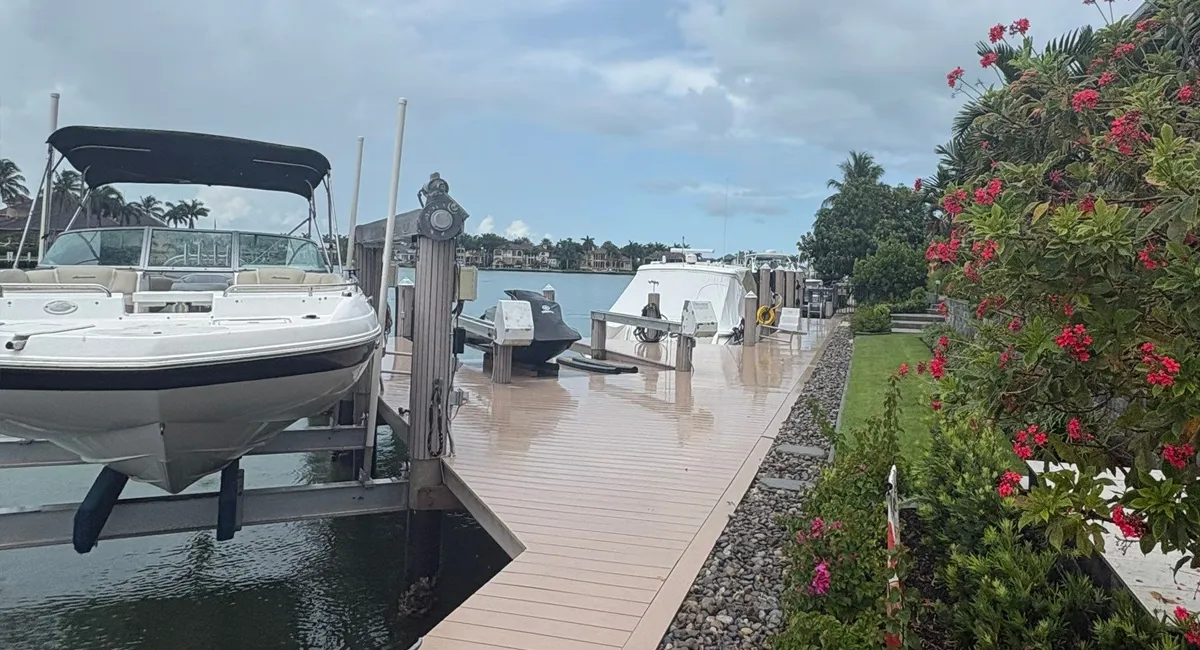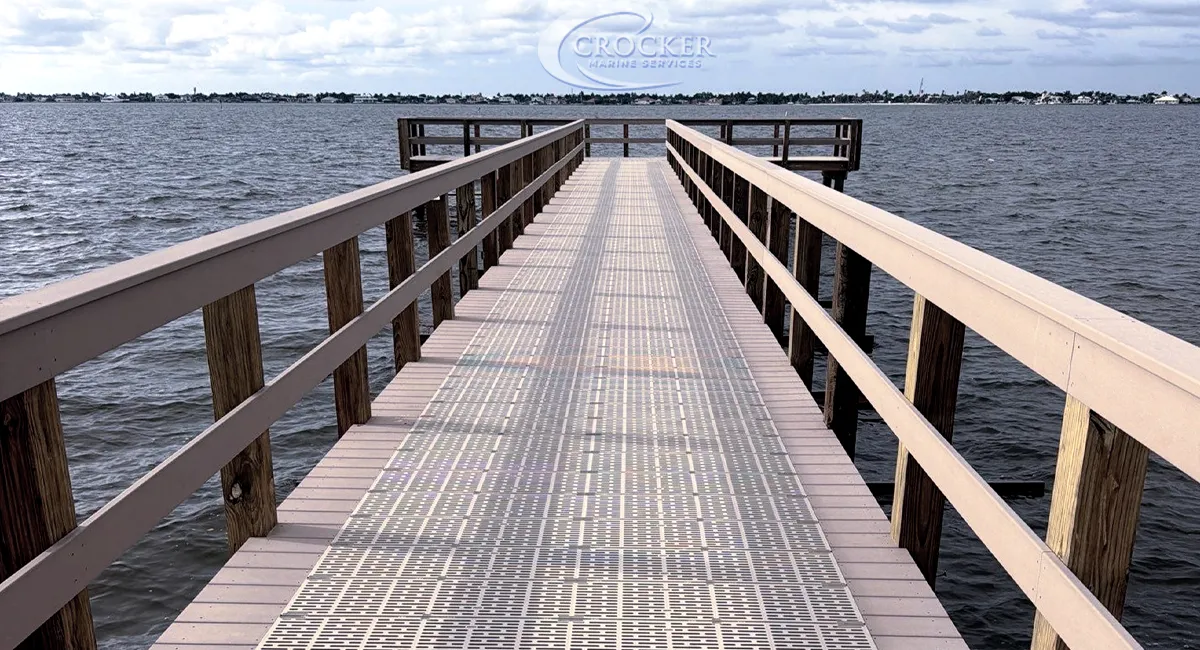
If you own waterfront property in Southwest Florida, you know that accessing your dock or launching your boat should be straightforward at any time of day. Yet many property owners discover too late that their marine structures were not designed with tidal variations in mind. The result? Docks that become unusable at low tide, boat lifts positioned at the wrong height, and gangways that turn dangerously steep when water levels drop.
Understanding how tides impact dock and boat lift design is not just about convenience. It directly affects the safety, functionality, and long-term value of your waterfront investment. Southwest Florida's unique tidal environment requires careful planning and expert assessment to ensure your marine structures perform reliably throughout every tide cycle, season, and storm event.
Understanding Southwest Florida's Tidal Environment
Southwest Florida's Gulf Coast location creates a tidal environment that differs significantly from Atlantic coastal areas. The Gulf of Mexico experiences what marine experts call mixed semidiurnal tides, meaning water levels rise and fall twice daily, but the heights of these tides can vary considerably.
Your specific location within Southwest Florida determines the exact tidal patterns you will experience. Properties along the open Gulf Coast face different conditions than those on inland waterways, canals, or protected bays. Distance from tidal inlets, water depth, canal width, and proximity to barrier islands all influence how tides affect your property.
Factors That Influence Local Tidal Patterns
Several environmental factors create the tidal conditions at your specific waterfront location:
- Distance from open water and tidal influence
- Canal or waterway configuration and restrictions
- Seasonal weather patterns and prevailing winds
- Freshwater runoff from rivers and drainage systems
- Bottom topography and water depth
These variables mean that two properties just miles apart can experience noticeably different tidal behaviors. This is why generic dock or boat lift designs rarely deliver optimal performance across all Southwest Florida locations.
Seasonal and Weather-Related Variations
Tides in Southwest Florida do not remain constant throughout the year. Seasonal changes bring variations in water levels that affect how your dock and boat lift function. Winter months often bring lower average water levels, while summer can see higher tides combined with afternoon thunderstorms that temporarily raise water levels.
Wind direction and strength play a substantial role in actual water levels at your dock. Sustained winds from the west or southwest can push water toward shore, creating higher than predicted tides. Conversely, strong easterly winds can blow water away from the coast, resulting in lower than expected levels. During cold fronts, north winds can significantly lower water levels for extended periods.
These seasonal and weather-related factors mean your marine structures must accommodate not just the predicted tidal range, but also the real-world variations that occur throughout the year.
How Tides Impact Dock Design
Dock design begins with understanding the vertical distance between low and high tide at your property. This measurement determines nearly every aspect of your dock's construction, from the height of the walking surface to the type of structure that will serve you best.
Fixed Dock Height Considerations
Fixed docks remain at a constant elevation regardless of tide changes. The height of a fixed dock must be carefully calculated to ensure usability and safety across all tidal conditions. Set the dock too low, and high tides or storm surge can flood the walking surface. Build it too high, and accessing your boat or stepping onto the dock at low tide becomes difficult or dangerous.
The walking surface height must account for:
- Maximum high tide levels during spring tides
- Storm surge potential during hurricane season
- Clearance for boat access at various tide stages
- Safe step-down distance to boats at low tide
- Comfort and accessibility for all users
Property owners often underestimate how much a few inches of elevation change can affect daily dock use. A dock that seems perfectly positioned during your site visit at mid-tide may prove problematic when you try to use it at extreme high or low tide.
Gangway Requirements and Angle Considerations
Gangways provide the crucial connection between your shoreline and the dock platform. These transitional structures must accommodate the vertical distance change as tides rise and fall. The angle of your gangway changes with the tide, and this angle directly impacts safety and usability.
Steeper gangway angles create several problems:
- Difficulty walking, especially when carrying gear or assisting others
- Increased slip and fall risk, particularly when wet
- Challenges for wheeled carts or equipment
- Accessibility issues for those with mobility limitations
- Uncomfortable or unsafe angles during extreme tides
Professional dock designers calculate gangway length based on the tidal range and desired maximum angle. Longer gangways maintain gentler slopes across tidal changes, but require more space and investment. The optimal gangway design balances practical constraints with year-round usability.
Floating Dock Solutions
In areas with substantial tidal ranges, floating docks offer an alternative to fixed structures. These docks rise and fall with the tide, maintaining a consistent relationship with the water surface. Floating docks eliminate many access challenges associated with changing water levels.
However, floating docks introduce their own design considerations. They require proper guidance systems to prevent lateral movement, adequate freeboard to avoid wave overwash, and secure connections to shore or pilings. The tidal range still affects the gangway connecting shore to the floating dock, though often less dramatically than with fixed docks.
Decking and Access Point Design
The design of your dock's walking surface and boat access points must account for how you will use the dock at different tide stages. Cleat placement, ladder locations, and boarding areas all function differently as water levels change.
Access ladders must extend deep enough to remain submerged and functional at low tide, while not creating hazards at high tide. Boarding areas need sufficient clearance above the water at high tide to prevent flooding, while remaining within reasonable reach at low tide. These competing requirements demand careful planning based on your property's specific tidal characteristics.
Tidal Considerations for Boat Lift Installation
Boat lift installation requires even more precise tidal planning than dock construction. Your boat lift must position your vessel correctly across all tide stages while providing adequate clearance, proper support, and safe operation.
Boat Lift Positioning and Water Depth
The depth of water at your boat lift location varies with the tide. This changing depth affects how your lift operates and how your boat sits when raised or lowered. Insufficient depth at low tide can cause your boat to rest on the bottom, potentially damaging the hull, running gear, or lift mechanism.
Proper boat lift positioning requires assessment of:
- Minimum water depth at the lowest expected tide
- Maximum depth at highest tide for lift operation
- Bottom composition and stability
- Adequate clearance for your boat's draft
- Space for safe boat maneuvering during loading
The lift must be positioned where adequate depth exists at low tide, while still allowing proper operation at high tide. This often means placing the lift farther from shore than property owners initially expect.
Clearance Requirements at Different Tide Stages
When raised, your boat must clear the water surface with enough height to prevent wave action, storm surge, or high tides from reaching the hull. This clearance requirement becomes complicated when tides are factored in.
At high tide, the water level rises closer to your boat's hull when in the raised position. During extreme high tides or storm surge, water may reach the hull if clearance was calculated based only on average conditions. Conversely, at low tide, your boat may sit much higher above the water than necessary, potentially creating stress on the lift mechanism or making boat boarding difficult.
Professional installers calculate lift height based on high water scenarios while ensuring the lift can still lower the boat adequately at low tide. This requires understanding the full range of tidal conditions your property experiences.
Impact on Boat Access and Launching
Launching and retrieving your boat becomes more challenging when tidal variations are not properly addressed in the lift design. At low tide, the boat may need to be lowered farther to achieve proper float-off, potentially requiring the lift to extend deeper than originally planned. At high tide, clearance between the boat and dock may be reduced, making boarding more difficult.
The relationship between your dock height, boat lift position, and tidal range determines how easily you can access your boat throughout the day. Poor planning in any of these areas creates frustration and limits when you can comfortably use your vessel.
Critical Measurements: Mean High Water vs. Mean Low Water
Marine construction professionals use specific tidal measurements to design structures that function properly across all conditions. Understanding these measurements helps property owners appreciate why professional site assessment proves so valuable.
What These Terms Mean for Property Owners
Mean High Water (MHW) represents the average height of all high tides over a specific period, typically 19 years. Mean Low Water (MLW) represents the average of all low tides over the same period. The difference between these two measurements defines the average tidal range at your location.
However, actual tides regularly exceed these averages. Spring tides (occurring during new and full moons) produce higher highs and lower lows than the mean values. This means your dock and boat lift must be designed for the actual range of tides you will experience, not just the average conditions.
Why Both Measurements Matter
Designing marine structures based only on current water levels or average conditions creates problems when extreme tides occur. Your dock must function during the lowest low tides and remain safe and dry during the highest high tides. This requires data about your property's full tidal range.
Professional marine contractors access tidal data specific to your area and apply this information to your site conditions. They account for how local factors may amplify or reduce tidal effects compared to regional predictions.
Design Solutions That Work Across All Tide Stages
Successful marine construction incorporates design elements that maintain functionality regardless of tidal conditions. This might include:
- Adequate dock height with proper freeboard
- Appropriately sized and angled gangways
- Boat lift positioning based on minimum depth requirements
- Adjustable components that accommodate tidal variation
- Material selection appropriate for regular water level changes
These design choices ensure your investment delivers reliable performance day after day, regardless of when you choose to use your waterfront property.
Storm Surge and Extreme Tidal Events
Southwest Florida's hurricane risk adds another layer of complexity to marine structure design. Storm surge can raise water levels far above normal high tides, creating forces and conditions that properly designed structures must withstand.
Hurricane Season Impacts on Tidal Design
During tropical weather events, storm surge combines with astronomical tides to create extreme water levels. A hurricane making landfall during high tide produces higher surge than the same storm at low tide. This combination of factors must be considered when designing docks and boat lifts that will survive severe weather.
Wind-driven waves atop storm surge create additional forces on marine structures. Docks positioned at appropriate heights for normal tidal conditions may be completely submerged during major storms, subjecting them to uplift forces and wave impact.
Building for Worst-Case Scenarios
Professional marine construction in Southwest Florida incorporates hurricane-resistant design principles. This includes engineering structures to withstand storm surge, wave action, and wind forces that exceed normal operating conditions.
Proper construction techniques, material selection, and structural design allow docks and boat lifts to survive extreme events. While no structure can be guaranteed to withstand every possible storm, proper engineering dramatically improves survival odds and reduces damage when severe weather strikes.
Hurricane-Resistant Construction Considerations
Hurricane-resistant marine construction addresses multiple factors:
- Structural strength to resist uplift and lateral forces
- Proper fastening and connection details
- Material selection for durability and strength
- Breakaway components that prevent total structure loss
- Elevation appropriate for expected storm surge
These considerations must be balanced with the need for structures that function well during normal tidal conditions. Experienced marine contractors understand how to achieve both objectives.
Why Professional Site Assessment Matters
Every waterfront property presents unique conditions that affect how tides impact marine structure design. Water depth, bottom composition, exposure to wind and waves, proximity to tidal inlets, and local regulations all influence the optimal design for your dock and boat lift.
What Expert Contractors Evaluate During Consultation
Professional marine construction begins with thorough site assessment. Experienced contractors evaluate your property's specific conditions to determine how tidal factors will affect structure design and performance.
A comprehensive site assessment examines:
- Current water depth at various locations
- Bottom composition and stability
- Exposure to wind, waves, and weather
- Tidal range and local tidal characteristics
- Access requirements and usage patterns
- Regulatory requirements and permit considerations
- Proximity to navigation channels or restricted areas
This information allows the contractor to design structures specifically suited to your property's conditions rather than applying generic solutions that may not perform well.
Site-Specific Tidal Analysis
Generic tidal predictions provide a starting point, but local conditions can significantly modify how tides behave at your specific property. Experienced contractors understand how factors like canal configuration, water depth, and distance from tidal sources affect actual water level changes you will experience.
Professional assessment may include multiple site visits at different tide stages to observe actual conditions. This real-world observation, combined with tidal data and local knowledge, produces accurate information for design decisions.
True Price Guarantee and Accurate Initial Assessment
Thorough initial assessment protects both the property owner and the contractor. When site conditions are properly evaluated before design and pricing, the resulting proposal accurately reflects the work required. This eliminates surprises during construction and ensures the finished product performs as expected.
At Crocker Marine Services, our True Price Guarantee reflects our commitment to comprehensive upfront assessment. We thoroughly evaluate your property's tidal conditions, bottom characteristics, and specific requirements before providing a detailed proposal. This approach ensures you receive an accurate price for a properly designed system, with no unexpected change orders related to site conditions we should have identified initially.
Our experienced team understands Southwest Florida's tidal environment and how it affects marine construction across our entire service area, from Marco Island to Sarasota. This local expertise, combined with thorough site assessment, allows us to design docks and boat lifts that deliver reliable performance through every tide cycle.
Design Solutions for Year-Round Usability
Creating marine structures that function well across all tidal conditions, seasons, and weather patterns requires thoughtful design and quality construction. Several approaches help ensure your dock and boat lift remain usable and safe throughout the year.
Adjustable Systems and Flexible Designs
Some marine structures incorporate adjustable components that can be modified as conditions change. Adjustable dock legs, removable decking sections, or adaptable boat lift configurations provide flexibility to accommodate varying water levels.
While not every property requires adjustable systems, they offer solutions in locations with extreme tidal ranges or significant seasonal variation. Your contractor can recommend whether adjustable components would benefit your specific situation.
Material Selection for Tidal Environments
Materials used in marine construction must withstand constant exposure to changing water levels. The transition zone where structures move between submerged and exposed conditions experiences accelerated wear from several factors:
- Alternating wet and dry cycles
- Marine growth in the submerged zone
- UV exposure when above water
- Salt spray and moisture
- Temperature fluctuations
Professional contractors select materials proven to perform well in tidal environments. This includes marine-grade hardware, appropriate decking materials, and protective coatings designed for the demanding conditions where water levels constantly change.
Maintenance Considerations
Structures subjected to tidal cycles require regular maintenance to ensure continued performance and longevity. Inspection of components in the tidal zone helps identify wear or damage before it becomes serious. Regular maintenance includes checking fasteners, examining structural members, and addressing any signs of deterioration.
Understanding how tides affect your structures helps you maintain them properly. Components regularly submerged require different care than those consistently above water. Your marine contractor can provide guidance on appropriate maintenance schedules and procedures for your specific installation.
What This Means for Your Property
Tides significantly impact how docks and boat lifts function in Southwest Florida. The vertical distance water levels travel between low and high tide affects every aspect of marine structure design, from dock height and gangway angles to boat lift positioning and clearance requirements.
Successful marine construction accounts for your property's specific tidal characteristics, not just average conditions. Professional site assessment identifies the actual tidal range you will experience, along with local factors that influence water levels throughout the year. This information guides design decisions that ensure your structures remain functional, safe, and accessible across all tide stages.
Storm surge during hurricane season adds another critical design consideration. Properly engineered structures must withstand extreme water levels and forces that far exceed normal tidal conditions while still functioning well during everyday use.
Working with experienced marine construction professionals ensures your dock and boat lift are designed specifically for your property's tidal environment. Thorough upfront assessment, expert design, and quality construction create structures that deliver reliable performance and lasting value.
Get Expert Guidance for Your Marine Construction Project
Crocker Marine Services brings extensive experience in Southwest Florida marine construction to every project. Our team understands how tidal conditions throughout our service area affect dock and boat lift design, and we conduct thorough site assessments to ensure your structures are properly engineered for your specific location.
Our True Price Guarantee reflects our commitment to comprehensive upfront evaluation. We identify all site conditions, including tidal factors, before providing your proposal. This ensures accurate pricing and eliminates surprise costs related to conditions we should have assessed initially.
Whether you are planning a new dock, need a boat lift installation, or want to evaluate your existing structures, our team can provide the expert guidance you need. Contact Crocker Marine Services at (239) 841-9674 to schedule your free consultation.