You walk down to your waterfront property one morning and notice something unsettling. Your seawall has a new crack running vertically down its face. Or maybe you see water pooling behind the wall where it shouldn’t be. Perhaps the structure itself appears to begin to lean slightly toward your home. These early signs represent more than cosmetic concerns. They signal potential seawall failure that could lead to catastrophic property damage, extensive erosion, and seawall repair costs reaching tens of thousands of dollars.
Seawalls serve as your property’s first line of defense against coastal erosion and storm surge. When these critical structures fail, the consequences extend far beyond the wall itself. Understanding the common causes of seawall failure gives you the knowledge to recognize problems early, take preventive action, and avoid the devastating costs of complete structural collapse.
Florida’s unique marine environments create specific challenges for seawall durability. The combination of saltwater exposure, storms and hurricanes, sandy soil conditions, and intense heat accelerates wear and deterioration. Property owners who understand these failure mechanisms can make informed decisions about maintenance, seawall repair, and replacement before minor issues lead to seawall failure.
Poor Drainage: The Number One Cause of Seawall Failure
Hydrostatic pressure represents the most common and destructive force acting on your seawall. When water accumulates in the soil behind the seawall, it creates tremendous pressure pushing outward against the seawall structure. This pressure buildup occurs continuously, particularly during heavy rainfall, high tides, and storm events. Without proper drainage, this relentless force eventually overcomes the wall’s structural capacity and can cause seawalls to fail.
Drainage systems serve as the primary mechanism to prevent hydrostatic pressure to build behind seawalls. Weep holes, the small openings that allow water to escape from behind the wall, relieve hydrostatic pressure before it causes damage. When weep holes become clogged with sediment, debris, or marine growth, water behind the seawall has nowhere to go. The water buildup increases until something gives, typically resulting in cracks, joint separation, or complete seawall failure.
The warning signs of drainage problems include standing water pooling behind the seawall after rain events, visible water seepage through cracks, soil erosion creating voids behind the wall, and increased tilting over time. Property owners frequently overlook drainage issues because the damage occurs slowly and out of sight. The soil supporting the seawall erodes through the drainage openings, creating empty spaces that allow the wall to shift and settle unevenly.
Without proper drainage, the risk of failure increases exponentially as hydrostatic pressure continues to build. As pressure pushes soil through compromised drainage points, your property literally washes away into the water. This erosion undermines not just the seawall but also docks, decks, and landscaping. Regular maintenance and timely repairs of drainage systems represent one of the most effective steps to prevent seawall failure.
Inadequate Foundation and Structural Support
Your seawall’s foundation determines its long-term stability and ability to withstand the pressure from water and soil. A properly designed foundation extends deep enough to reach stable soil or bedrock, providing the anchor point that resists the forces trying to push or pull the wall out of position. Foundation issues represent one of the most common causes of seawall failure in Florida.
Florida’s coastal soil presents unique challenges. Sandy substrates offer minimal resistance to erosion and provide poor load-bearing capacity. The supporting soil shifts easily under pressure, allowing seawalls to settle unevenly or tilt toward the water. In some areas, organic materials decompose over time, creating voids that undermine the foundation’s stability and cause erosion at the base of the seawall structure.
Water movement through sandy soil carries fine particles away from the foundation area. This process creates underground channels that accelerate erosion. As soil supporting the foundation disappears from beneath and behind the wall, the seawall loses support and begins to shift. These voids create destabilization that leads to seawall failure due to various factors working together.
Foundation failure manifests through progressive tilting or leaning of the seawall structure, differential settlement where one section sits lower than adjacent areas, and gaps opening between the wall and the soil behind it. Shallow foundations may perform adequately during calm conditions but can’t withstand the forces during storms when high water levels and strong wave action test the structure. Foundation repair becomes necessary when these problems emerge, though complete replacement may prove more cost-effective for severely compromised structures.
Soil testing before any seawall construction project reveals the specific challenges your property presents. Professional marine contractors conduct borings to determine soil composition and detect any problematic conditions. Skipping this critical step increases the risk of failure significantly.
Corrosion and Material Deterioration
Saltwater creates one of the most corrosive environments on Earth. Your seawall is exposed to constant salt spray, tidal fluctuations, and marine organisms that accelerate material breakdown. The type of material used in your seawall construction directly impacts the overall life of your seawall.
Concrete seawalls deteriorate through a process that begins at the microscopic level. Saltwater penetrates the porous concrete, reaching the steel reinforcement bars inside. When salt contacts steel, electrochemical reactions cause rust formation and corrosion. Rust occupies more volume than the original steel, creating internal pressure that cracks the concrete from within. The rebar inside the concrete seawall eventually fails, compromising the entire structure.
The visible signs of damage from concrete deterioration include surface spalling where chunks break away, rust stains bleeding through the surface, exposed reinforcement bars showing corrosion, horizontal cracking along rebar lines, and weakened areas that can’t withstand harsh weather conditions.
Vinyl panel seawalls offer superior resistance to saltwater corrosion compared to concrete alternatives. The vinyl material doesn’t rust, corrode, or deteriorate from salt exposure in the same way. However, vinyl systems still face challenges from UV radiation and the corrosion of metal components like tie-backs.
The timeline for material deterioration varies based on several factors. Seawalls in areas with higher wave action deteriorate faster than those in protected waters. The corrosive nature of marine environments means all seawalls require regular inspections to monitor material condition.
Steel components represent the weakest link in many seawall systems. Tie-back rods, anchor plates, and reinforcement bars all face corrosion challenges. When these critical structural elements fail, they compromise the entire system. Regular inspection of metal components allows you to identify corrosion before it leads to structural failure and costly damage to your waterfront property.
Hurricane and Storm Damage
Florida’s position in the hurricane belt subjects seawalls to extreme forces. Storm surges can raise water levels by 10 to 15 feet or more, placing enormous pressure on seawalls designed for normal tidal ranges. Wave action during hurricanes delivers repeated pounding waves that test every aspect of your seawall’s design. Storm damage represents one of the primary reasons seawalls fail in coastal Florida.
Hurricane Ian in 2022 provided devastating proof of how extreme weather exposes seawall weaknesses. The storm’s surge and waves destroyed seawalls throughout Southwest Florida, particularly those with pre-existing damage. Property owners who had ignored minor cracks or tilting discovered that these small problems became catastrophic failures under hurricane conditions. The harsh weather conditions revealed which seawalls could withstand the pressure and which would collapse under the strain.
Storm damage occurs through multiple mechanisms working simultaneously. The initial surge raises water levels, dramatically increasing hydrostatic pressure behind the wall. As pounding waves strike the structure, they create impact forces that can exceed the seawall’s design capacity. When water overtops the seawall, it scours soil from behind the wall, undermining the foundation and creating voids that allow the structure to shift or collapse.
A seawall with minor cracks or slight tilting may function adequately during normal conditions. When hurricane-force conditions arrive, these weaknesses become failure points where the structure breaks apart. What started as a manageable seawall repair becomes a complete replacement project after the storm passes. Understanding this progression helps property owners recognize why seawalls fail during major weather events including storms and hurricanes.
Hurricane-resistant seawall construction incorporates lessons learned from past storms. Proper construction accounts for storm surge levels, includes adequate foundation depth, and uses materials capable of withstanding impact forces. Seawalls designed to withstand harsh conditions provide better protection and require less frequent repair. Even if your seawall survived the storm, hidden damage may have occurred. Professional inspection identifies problems before they worsen, allowing you to address issues before they escalate.
Improper Installation and Design Flaws
The quality of your seawall’s installation determines whether it performs as designed or fails prematurely. Common installation mistakes create weaknesses that lead to seawall failure years after construction. Understanding the common causes of seawall helps property owners select qualified contractors.
One frequent error involves inadequate compaction of backfill material. After installing the seawall, contractors must carefully compact the soil placed behind it. When this step receives insufficient attention, the soil settles over time, creating voids and allowing the wall to shift. These voids eventually cause the seawall to fail as the supporting soil can no longer withstand the pressure.
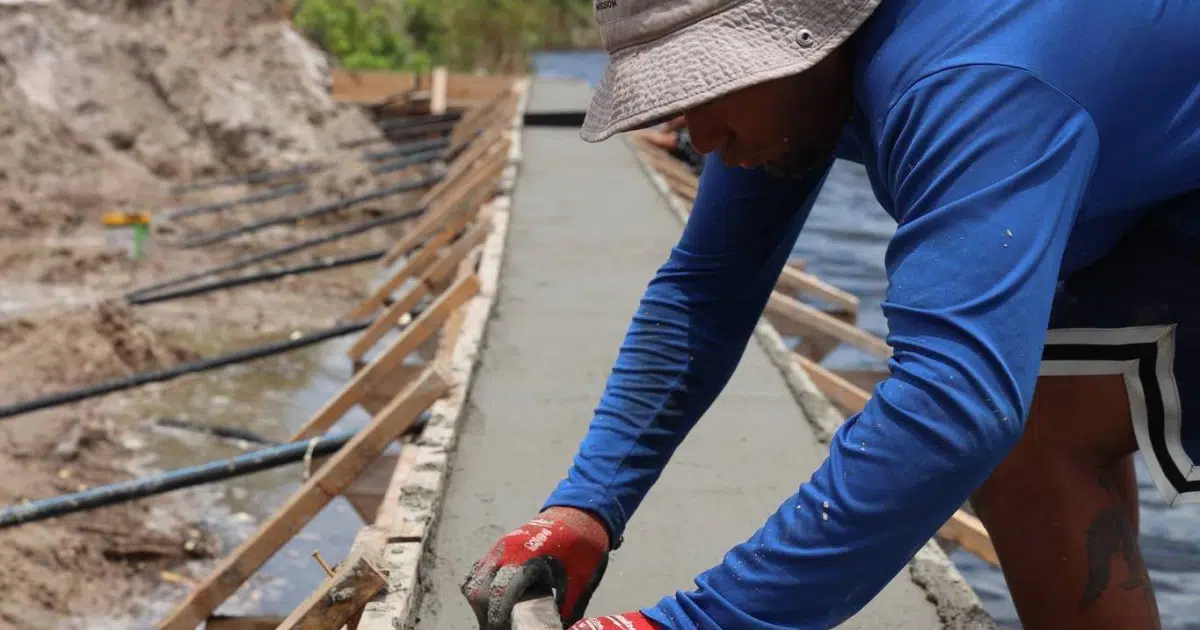
Joint sealing represents another area where installation quality matters tremendously. The connections between seawall panels must be properly sealed to prevent water intrusion and soil loss. Poor sealing allows water to carry soil particles through the joints, gradually eroding the material behind the wall and undermining its stability. This problem creates conditions where seawalls fail for several reasons related to both drainage and structural support.
Design flaws often stem from failure to account for site-specific conditions. A seawall design that works perfectly in one location may fail in another due to different soil conditions, wave exposure, or tidal ranges. Professional marine contractors conduct thorough site assessments before designing your seawall, ensuring the seawall structure matches the actual conditions it will face to protect your property.
The importance of working with licensed, experienced contractors cannot be overstated. Licensed contractors like Crocker Marine Services (CBC1266139) carry insurance to protect your property and ensure resources exist to correct any problems. Choosing qualified professionals represents one of the most effective ways to prevent seawall failure from improper installation.
Warning signs of improper installation include uneven settlement creating visible height differences, joint separation occurring prematurely, drainage problems despite new weep hole installation, and tilting that develops quickly after construction. When installation problems cause the seawall to fail, you face the expense of seawall repair or complete replacement far sooner than expected.
Recognizing Warning Signs and Taking Action
Early detection of seawall problems gives you the opportunity to address issues before they become catastrophic failures. Regular inspections of your seawall should become part of your property maintenance routine, particularly after storms or when water levels fluctuate significantly.
Cracks represent the most obvious warning sign. Vertical cracks often indicate foundation settlement. Horizontal cracks typically signal excessive pressure from behind the wall. Any crack wider than a quarter inch deserves professional evaluation, as these issues can cause seawalls to fail if left unaddressed.
Tilting or leaning becomes visible when you sight down the length of your seawall. Even slight angles indicate that forces are pushing the wall out of position. What starts as barely noticeable tilting can progress to dramatic leaning that threatens complete collapse. The seawall begins to tilt when the foundation or supporting soil can no longer withstand the pressure.
Joint separation creates gaps between seawall panels. Small gaps allow water and soil to escape, accelerating the deterioration process. Monitoring joint condition helps you catch problems early when seawall repair remains relatively simple and affordable.
Erosion around the base of your seawall indicates that water is carrying soil away from the structure. This erosion undermines the foundation and creates voids that allow the wall to shift. Addressing erosion control issues promptly helps prevent water from continuing to erode the supporting soil and cause erosion at the base.
The appearance of exposed or rusted steel reinforcement bars signals that concrete deterioration has progressed significantly. This condition requires immediate attention to prevent structural failure and protect your property from seawall collapse.
Professional inspection provides detailed assessment of your seawall’s condition and remaining service life. Marine construction experts can determine whether the seawall needs minor repairs, extensive restoration, or complete replacement based on the severity of seawall damage. Regular inspections help you stay ahead of issues before they escalate.
The decision between seawall repair and replacement depends on several factors. Minor damage affecting a small portion typically responds well to targeted repairs. Extensive damage, particularly involving foundation failure or widespread material deterioration, often makes replacement the more cost-effective long-term solution.
Timing matters tremendously when addressing seawall problems. Small cracks repaired promptly prevent water intrusion that leads to larger failures. The cost difference between preventive repairs and emergency reconstruction can reach tens of thousands of dollars.
Protecting Your Investment Through Prevention
Your seawall represents a substantial investment in protecting your waterfront property. Understanding the common causes of seawall failure gives you the knowledge to maintain this critical structure and avoid catastrophic damage. Poor drainage, inadequate foundations, material corrosion, storm damage, and improper installation each contribute to structural failure. However, all share one common trait: early detection and intervention prevent minor problems from becoming major disasters.
Florida’s challenging coastal environment demands vigilance from waterfront property owners. The combination of saltwater exposure, hurricane threats, and intense weather creates conditions that test every aspect of your seawall’s design. Regular maintenance and timely repairs protect your property value. Understanding why seawalls fail and the causes seawall failure helps you take the steps to prevent these problems.
The consequences of seawall failure extend far beyond the structure itself. Erosion threatens your land, flooding endangers your home, and property values decline when critical infrastructure fails. Your seawall protects everything behind the wall, making its maintenance one of the most important aspects of waterfront property ownership.
Regular inspections, proper drainage maintenance, prompt repairs, and working with qualified professionals represent the most effective strategies to prevent seawall failure. These practices help you identify and address the common causes before they lead to structural collapse. Understanding the life of your seawall and maintaining it properly ensures it continues to protect your property for decades.
If you notice any warning signs of seawall damage or want to schedule a professional inspection of your waterfront property, contact Crocker Marine Services at (239) 841-9674. Our licensed team (CBC1266139) brings decades of experience in marine construction throughout Southwest Florida, and we back every construction project with our True Price Guarantee, ensuring you receive transparent, honest pricing with no surprise costs. Don’t wait until minor problems become major disasters. Reach out today for expert recommendations for protecting your waterfront investment.