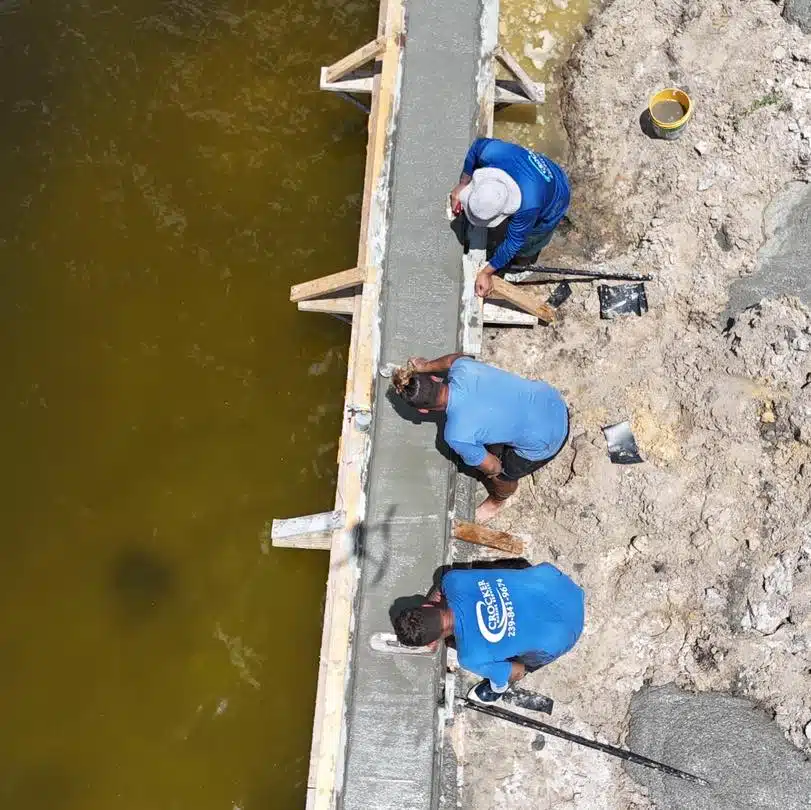
You’ve made the decision to enhance your Southwest Florida waterfront property with a new dock or seawall. The excitement of improving your boat access and protecting your investment is real. However, the difference between a smooth construction process and one filled with delays comes down to one critical factor: proper preparation.
Marine construction projects require careful planning and coordination. When you prepare your property correctly, you create the foundation for an efficient timeline, prevent costly delays, and ensure your contractor can deliver the quality results you expect. Whether you’re planning a floating dock, fixed dock, or seawall installation, the preparation steps remain essential to project success.
This comprehensive dock building advice covers everything you need to know to prepare your property for marine construction, from clearing access pathways to understanding the permitting process and what to expect during the construction timeline.
Why Proper Preparation Matters for Marine Construction
Property preparation directly impacts multiple aspects of your dock or seawall project. The construction process involves heavy equipment, specialized materials, and precise installation techniques that require optimal site conditions.
Timeline efficiency depends on clear access for equipment and materials. When crews arrive and cannot navigate your property, or when they discover unmarked utilities, work stops immediately. Marine construction relies on specific tidal conditions and weather windows. Each delay compounds, pushing your completion date further out and potentially missing optimal tide cycles for pile installation.
Cost protection starts with thorough preparation. While experienced contractors provide detailed quotes, preparation issues can create complications. Your checklist approach ensures the construction process proceeds as planned, protecting both timeline and budget.
Safety considerations are paramount in waterfront construction. Southwest Florida properties present unique challenges, from underground utilities to protected coastal habitat areas. Proper preparation identifies safety concerns before heavy equipment arrives, protecting workers and your property.
Quality results depend on contractors focusing on craftsmanship rather than navigating obstacles. When the site is ready, skilled crews can concentrate on building a dock structure that will withstand hurricane conditions and provide decades of durability.
Understanding Dock Types and Preparation Needs
Before diving into your preparation checklist, understanding the type of dock you’re building helps you anticipate specific site requirements.
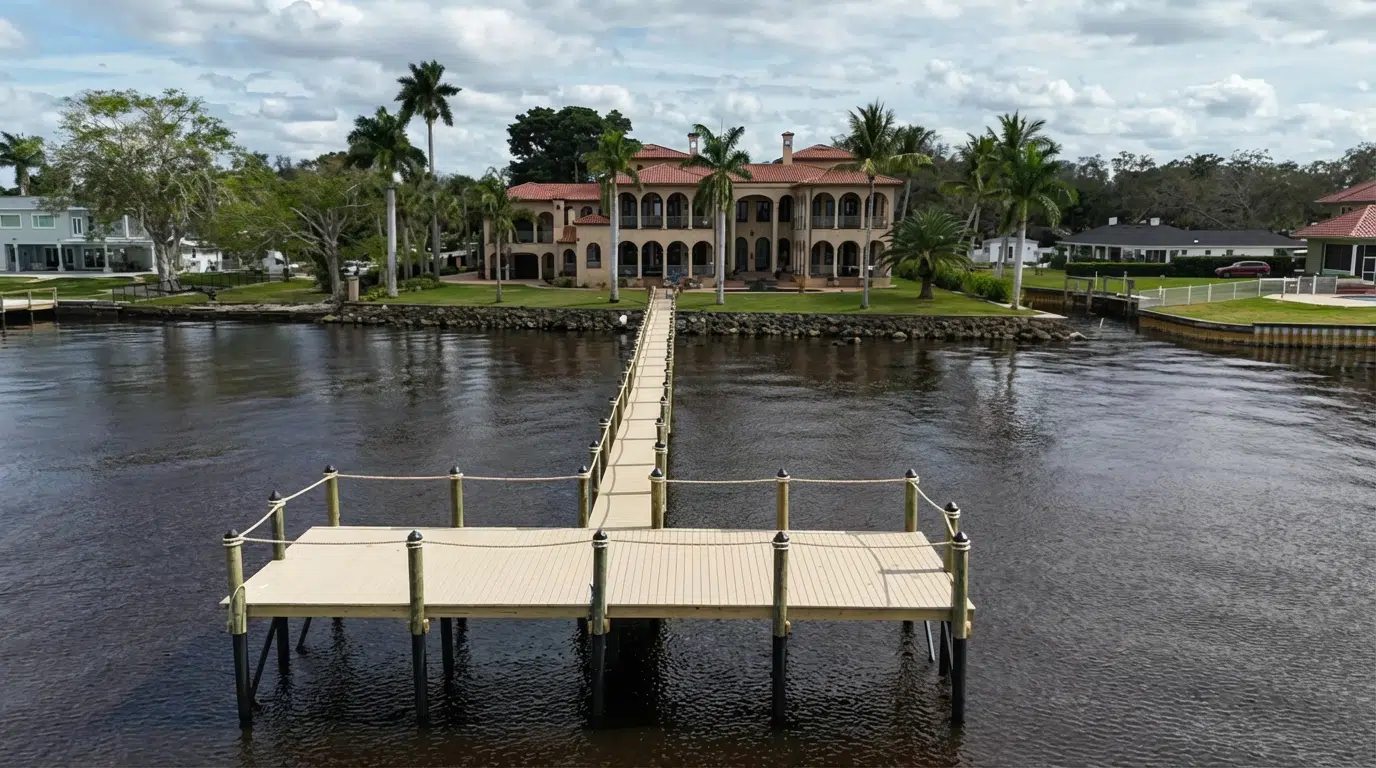
Fixed dock structures attach permanently to the seabed using piles driven deep into the bottom. These docks require stable access for pile-driving equipment, which can be substantial. The construction process involves heavy machinery that drives timber, steel, or concrete piles to create a stable foundation. Fixed docks work well in areas with consistent water depth and minimal tidal fluctuation.
Floating dock systems rest on the water surface, anchored by piles that allow vertical movement with changing water levels. These docks adapt to tidal conditions and fluctuate with water levels, making them ideal for areas with significant tide variation. The installation process requires different equipment access compared to fixed dock construction, though site preparation remains equally important.
The right type of dock for your property depends on water depth, tidal range, boat size, and intended use. Your contractor can guide you through types of docks suitable for your specific waterfront conditions and help you understand how each option affects the preparation and construction process.
Pre-Construction Planning: Your Essential Checklist
Secure Necessary Permits and Approvals
The permitting process represents your first critical preparation step. Marine construction in Southwest Florida requires multiple permits and approvals before work begins.
Start with your local building department to obtain construction permits. Lee County, Charlotte County, and other jurisdictions have specific requirements for waterfront construction. The permit application process typically requires detailed dock design plans, engineering specifications, and site surveys.
Florida Department of Environmental Protection (FDEP) permits are required for most waterfront construction. These permits ensure your dock complies with environmental regulations protecting coastal habitat and water quality. The permitting process can take several weeks, so start early.
Homeowners association approval is essential if your property falls within an HOA. Many waterfront communities have architectural review boards that must approve dock design, materials, and construction timeline before you proceed.
Army Corps of Engineers permits may be required depending on your dock size, location, and impact on navigation. Your contractor can help determine which permits apply to your specific project.
Clear and Maintain Site Access
Marine construction equipment needs adequate space and clearance to reach your waterfront. The deck construction process requires transporting lumber, hardware, and materials to the site, while pile installation demands heavy machinery access.
Minimum access requirements include width of at least 10-12 feet for equipment passage and vertical clearance of 12-14 feet for boom equipment. The path must support heavy loads without creating ruts or damaging underground utilities.
Remove obstacles that impede construction access. Temporary fence sections should be removed and stored for reinstallation after project completion. Relocate outdoor furniture, potted plants, and decorative elements away from the construction zone. Trim low-hanging branches that interfere with equipment movement, but avoid removing trees or major landscaping without discussing with your contractor.
Gate access in waterfront communities often presents challenges. Verify that entrance gates are wide enough for equipment and material delivery trucks. Coordinate with your HOA or property management to arrange temporary access codes for construction crews and delivery services.
Mark Underground Utilities and Site Features
Florida law requires utility marking before any excavation or construction. Contact Sunshine 811 at least 2-3 business days before construction begins. This free service coordinates with utility companies to mark electrical lines, natural gas pipes, water and sewer lines, and telecommunications infrastructure.
Private utilities on your property require separate marking. Irrigation systems, outdoor lighting electrical runs, pool equipment lines, and septic systems fall under homeowner responsibility. Document the location of these features and mark them clearly for construction crews.
Underground obstructions beyond utilities can affect pile placement and dock construction. Old seawalls, buried debris, or underground structures should be identified before work begins. Rocky seabed conditions may require jet excavation to prepare for pile installation, which your contractor should know about in advance.
Prepare Staging Areas for Materials and Equipment
Successful dock construction requires adequate space for materials, equipment, and crew operations. Your staging area serves as the hub for the entire construction process.
Designate a minimum 20×20 foot clear space near the construction site for material storage. Lumber, deck boards, stringers, hardware, and other components need protection from weather while remaining easily accessible. The area should have level ground that stays stable during rain, as Florida’s weather can create muddy conditions quickly.
Equipment staging requires additional space for machinery, tools, and crew vehicles. Pile-driving equipment, excavators for seawall work, and material handling equipment need secure overnight storage during the project.
Protect your staging area from irrigation systems to prevent water damage to materials. Lumber and decking material must stay dry to maintain quality and prevent warping. Cover materials with tarps if necessary, ensuring adequate ventilation to prevent moisture buildup.
Coordinate Tidal Conditions and Water Access
Marine construction timing depends heavily on tide cycles. Understanding tidal conditions helps you prepare for the construction schedule and potential adjustments.
Low tide provides optimal conditions for fixed dock pile installation. When water levels drop, crews gain better access to the seabed and can drive piles more efficiently. The construction process often schedules pile work during low tide windows to maximize efficiency.
High tide becomes necessary for floating dock installation and positioning. Water depth at high tide determines whether barges can access your site for material delivery. Some construction phases require specific water levels to complete work properly.
Tidal fluctuation in Southwest Florida varies by location. Gulf Coast properties experience different tidal ranges compared to bay or river locations. Your contractor schedules work around these natural cycles, but understanding the pattern helps you anticipate the construction timeline.
Property Protection During Construction
Safeguard Landscaping and Existing Features
Your waterfront property likely includes valuable landscaping, hardscaping, and outdoor living spaces that need protection during construction.
Mark valuable plants, trees, and shrubs with visible flagging so crews can avoid damage. Identify root zones of significant trees, as heavy equipment can compact soil and damage roots even without direct contact. Install temporary fencing around protected landscape areas if needed.
Existing dock structures, if you’re building an upgrade or replacement, may need partial demolition before new construction begins. Discuss the demolition timeline with your contractor and understand how existing materials will be removed and disposed of properly.
Protect outdoor living spaces by covering or relocating patio furniture, outdoor kitchens, and decorative elements. Pool covers should be secured to prevent construction debris from entering the water. Hot tubs, fire pits, and other amenities near the construction zone need appropriate protection or relocation.
Plan for Boats and Watercraft During Construction
If you keep the boat at your property, you’ll need alternative arrangements during dock construction. The construction process makes your waterfront inaccessible for extended periods.
Temporary mooring at a local marina provides safe boat storage during construction. Many Southwest Florida marinas offer short-term slips for boats displaced by dock work. Reserve your temporary slip early, especially during peak construction season from November through May.
Kayak, jet ski, and small watercraft storage also requires planning. These vessels typically sit on or near your existing dock. Designate a secure storage area away from the construction zone, or consider temporary off-site storage if space is limited.
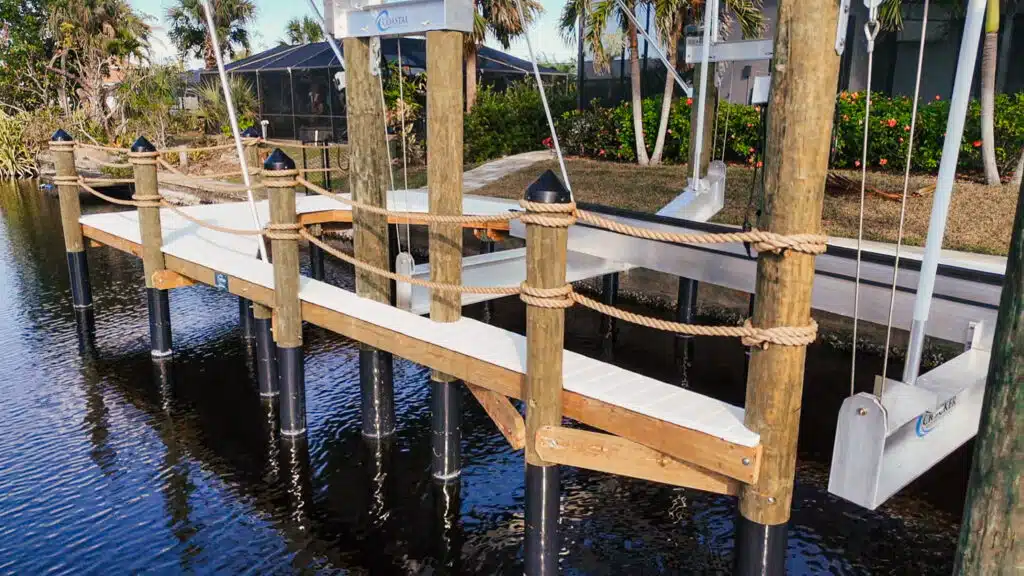
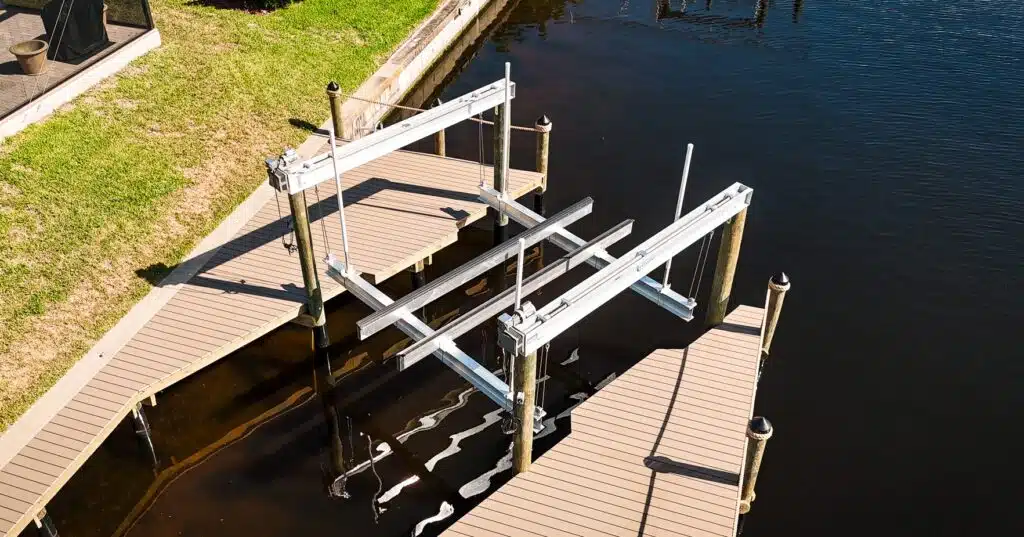
Boat lift removal may be necessary if you’re replacing an existing dock structure. Your contractor can coordinate boat lift dismantling and reinstallation as part of the project, or you may need a specialized boat lift contractor for this work.
Understanding the Dock Construction Process
Foundation and Pile Installation
The construction process begins with foundation work. For fixed dock structures, this means pile installation to create a stable base that can withstand hurricane winds and wave action.
Piles are driven deep into the seabed using specialized equipment. Pile depth depends on water depth, seabed composition, and engineering requirements for your specific dock design. Timber piles, concrete piles, or steel piles each offer different benefits for durability and longevity in saltwater environments.
Pile caps attach to the top of driven piles, creating connection points for the dock frame. These caps must be installed level and at the correct dock height to ensure proper frame alignment. The precision of pile cap installation directly affects the quality of the finished dock structure.
Anchor systems for floating docks use piles differently, allowing vertical movement while preventing horizontal drift. The anchor design must accommodate tidal range and potential storm surge while keeping the dock securely in position.
Frame and Deck Construction
Once piles are installed and secured, frame construction begins. The dock frame uses stringers, cross bracing, and support beams to create the structural skeleton.
Stringers run the length of the dock, connecting pile caps and providing the primary structural support. These longitudinal members must be sized appropriately for the dock span and expected loads. Proper stringer installation ensures the deck remains level and stable.
Cross bracing between stringers adds lateral stability and prevents racking during storms. Hurricane-prone areas like Southwest Florida require additional support beyond minimum code requirements to create a stable structure that can withstand extreme weather.
Deck boards attach to the frame, creating the walking surface. Decking material choices include pressure-treated lumber, tropical hardwoods, composite materials, or aluminum. Each material offers different benefits for durability, maintenance, and longevity in the coastal environment.
Steel hardware, stainless screws, and marine-grade fasteners connect all components. Saltwater rapidly corrodes standard fasteners, so the right materials make the difference between a dock built to last decades versus one requiring constant repairs.
Final Components and Accessories
Completing your dock involves installing accessories and safety features. Fender systems protect your boat from impact damage when docking. Cleats and mooring hardware secure vessels safely. Lighting improves safety and extends dock usability into evening hours.
Seating areas, fishing rod holders, and storage boxes add functionality. Kayak launches, swim ladders, and other specialized features customize your dock for your specific waterfront lifestyle.
Building a dock that meets your needs requires planning these elements before construction begins. Adding features after completion often costs more and may compromise the structural integrity if not properly engineered from the start.
Special Considerations for Southwest Florida
Hurricane Preparedness and Storm Resilience
Southwest Florida’s hurricane exposure demands dock structures engineered to withstand extreme conditions. The construction process incorporates features that enhance storm survivability.
Pile depth extends below potential scour zones where storm surge and wave action erode the seabed. Driven deep foundation piles anchor the structure securely, preventing uplift during hurricanes. Engineering calculations account for wind loads, wave forces, and debris impact.
Deck height must be high enough to minimize wave overtopping during storms while remaining accessible for normal use. The right balance depends on your specific location, historical storm surge data, and local building codes.
Removable dock sections, loose furniture, and accessories should be secured or removed when hurricanes threaten. Even well-built docks benefit from preparation before major storms arrive.
Saltwater Environment and Material Selection
Coastal construction demands materials that resist saltwater deterioration. The right materials ensure your dock provides decades of service with minimal maintenance.
Lumber choices include pressure-treated southern pine rated for marine use, or naturally rot-resistant timber species. Treatment chemicals must be appropriate for saltwater immersion. Some areas restrict certain treatments due to environmental concerns about leaching into coastal habitat.
Composite decking material offers low maintenance and excellent durability in saltwater. While initial costs exceed lumber, the longevity and reduced maintenance often justify the investment for waterfront homeowners.
Hardware and fasteners must resist corrosion. Stainless steel hardware, hot-dipped galvanized bolts, and marine-grade aluminum components withstand the harsh coastal environment. Standard steel hardware fails rapidly, creating safety hazards and requiring costly repairs.
Environmental Protection and Coastal Regulations
Florida’s coastal ecosystem receives special protection through environmental regulations. Your dock construction must comply with rules protecting water quality, marine habitat, and shoreline stability.
Turbidity barriers prevent sediment from spreading during construction. These silt curtains contain disturbed material, protecting water quality and sensitive habitat like seagrass beds. Your contractor installs barriers before beginning work in or near the water.
Construction timing may be restricted during nesting seasons for protected species or fish spawning periods. Understanding these restrictions helps you plan your project timeline appropriately.
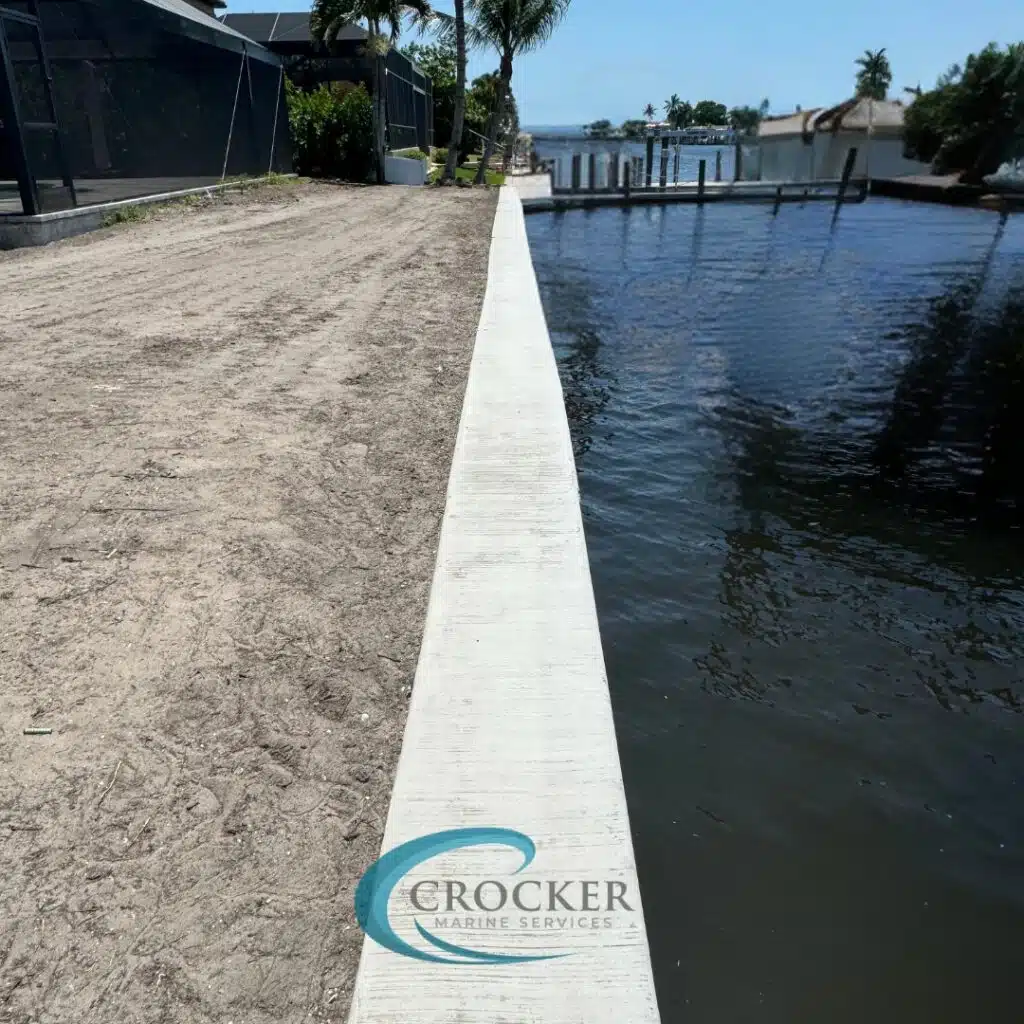
Seawall construction involves additional environmental considerations. Proper design prevents erosion while minimizing impact on the shoreline ecosystem. Modern seawall materials and techniques balance property protection with environmental responsibility.
Final Preparation Tips
As your construction start date approaches, complete these final preparation steps:
Walk the site with your contractor to verify access, staging areas, and any last-minute concerns. This walkthrough ensures everyone understands the plan and identifies potential issues before equipment arrives.
Notify neighbors about the construction schedule, expected noise, and duration. Professional courtesy maintains good relationships and prevents complaints that could delay your project.
Arrange for pets and family during construction. Active construction sites pose safety risks. Keep pets secured away from the work zone, and ensure children understand boundaries and safety rules.
Document existing property conditions with photographs. This record protects you if questions arise about pre-existing damage versus construction-related issues.
Confirm crew arrival time, primary contact information, and communication preferences with your contractor. Clear communication throughout the construction process keeps your project on track and addresses concerns quickly.
Moving Forward with Your Dock Project
Proper preparation transforms marine construction from a stressful disruption into a manageable process with exciting results. Your checklist ensures site readiness, regulatory compliance, and optimal conditions for building a dock or seawall that enhances your waterfront property for years to come.
Working with a licensed, experienced marine contractor makes preparation easier. Professional contractors guide you through the permitting process, help you understand site-specific challenges, and coordinate the many details of waterfront construction. Their expertise ensures your dock is built correctly the first time, using the right type of materials and construction techniques for Southwest Florida’s unique coastal environment.
Your new dock or seawall represents a significant investment in your waterfront lifestyle. The time you spend preparing your property pays dividends in smoother construction, fewer delays, and better results. Whether you’re installing a floating dock for your pontoon boat, building a fixed dock for a larger vessel, or constructing a seawall to protect your shoreline, thorough preparation sets the foundation for success.
If you have questions about preparing your property for marine construction, or if you’re ready to discuss your dock or seawall project, reach out to experienced professionals who can guide you through every step of the process. Call (239) 841-9674 to schedule your free consultation.
SEO Metadata:
Meta Title: How to Prepare for Dock or Seawall Construction | Checklist
Meta Description: Prepare your property for marine construction with this complete checklist. Learn access requirements, utility marking, HOA coordination & what to expect.
URL Slug: /blog/prepare-property-dock-seawall-construction/
Primary Keyword: prepare for dock construction
Related Keywords: marine construction preparation, property preparation dock, seawall construction preparation, dock construction checklist, construction site preparation, marine construction access, dock construction process, construction preparation tips, dock building advice, floating dock, fixed dock, pile installation, deck construction, permitting process