You deserve to know what you’re paying for before you commit to a boat lift installation. Too many Southwest Florida boat owners have been burned by vague estimates that balloon into budget-busting surprises halfway through the project. The marine construction industry has earned a reputation for change orders and hidden costs, leaving property owners frustrated and financially strained.
Crocker Marine Services understands this frustration. As Southwest Florida’s trusted marine construction experts, we believe you deserve transparent guidance about boat lift costs before you make this significant investment in your waterfront property.
Your boat represents a substantial investment, and protects your boat from the harsh saltwater environment, marine growth, and storm damage requires the right equipment installed correctly. A boat lift provides that protection while adding convenience and value to your property. But understanding how much a boat lift costs involves more than just the lift itself.
This comprehensive guide breaks down every factor that influences boat lift installation cost in Southwest Florida. You’ll learn what drives pricing, what’s included in professional installation, and how to budget appropriately for your project. Most importantly, you’ll discover how to avoid the surprise costs that plague so many marine construction projects. This boat lift installation cost guide helps you make an informed decision about your waterfront investment.
Understanding Boat Lift Costs: What You Need to Know
The cost of a boat lift varies significantly based on multiple factors specific to your property and vessel. Boat lift prices reflect the complexity of marine construction, the quality of materials, and the expertise required for proper installation.
When you’re trying to determine how much does a boat lift cost, you need to consider the complete picture. Installation costs include the lift mechanism itself, professional installation, electrical work, permits, and site-specific requirements. Each element contributes to the final price you’ll pay for keeping your boat protected and accessible at your dock.
Boat lifts range from basic manual lifts for smaller watercraft to sophisticated powered lifts with hydraulic systems for larger vessels. The type of lift you need depends on your boat size, your waterfront conditions, and how you plan to use your lift. Understanding these variables helps you assess your needs and find a lift that matches your requirements.
Factors That Influence Boat Lift Installation Cost
Multiple elements determine the final price for your boat lift project. Each factor plays a role in the overall investment required to protect your waterfront investment.
Boat Lift Capacity and Weight Requirements
The weight capacity of your lift represents the most significant factor in determining cost. Boat lifts come in various capacity ratings, from 4,000 pounds for smaller boats and PWCs to 30,000 pounds or more for larger vessels.
Your boat’s fully loaded weight determines which lift you need. This includes not just the hull weight, but also engines, fuel, water, gear, and everything else aboard. Many boat owners underestimate their vessel’s actual weight, which can lead to selecting an inadequate lift.
The heavier the boat, the more robust the lift mechanism must be. Higher capacity lifts require stronger materials, larger motors, more substantial pilings, and more complex engineering. Each step up in capacity increases the cost because of these enhanced requirements.
Pontoon boats present unique considerations for lift selection. Their wide beam and distributed weight require specific lift configurations. The right boat lift for a pontoon differs from what works best for a center console or cruiser of similar weight.
Understanding your boat size and weight capacity needs prevents the mistake of undersizing your lift. An inadequate lift creates dangerous conditions and potential equipment failure. Conversely, oversizing wastes money on capacity you don’t need.
Types of Boat Lifts and Lift Mechanisms
Different lift types suit different situations, and each style carries distinct cost implications. The type of lift you choose affects both initial investment and long-term performance.
4-Post Boat Lifts
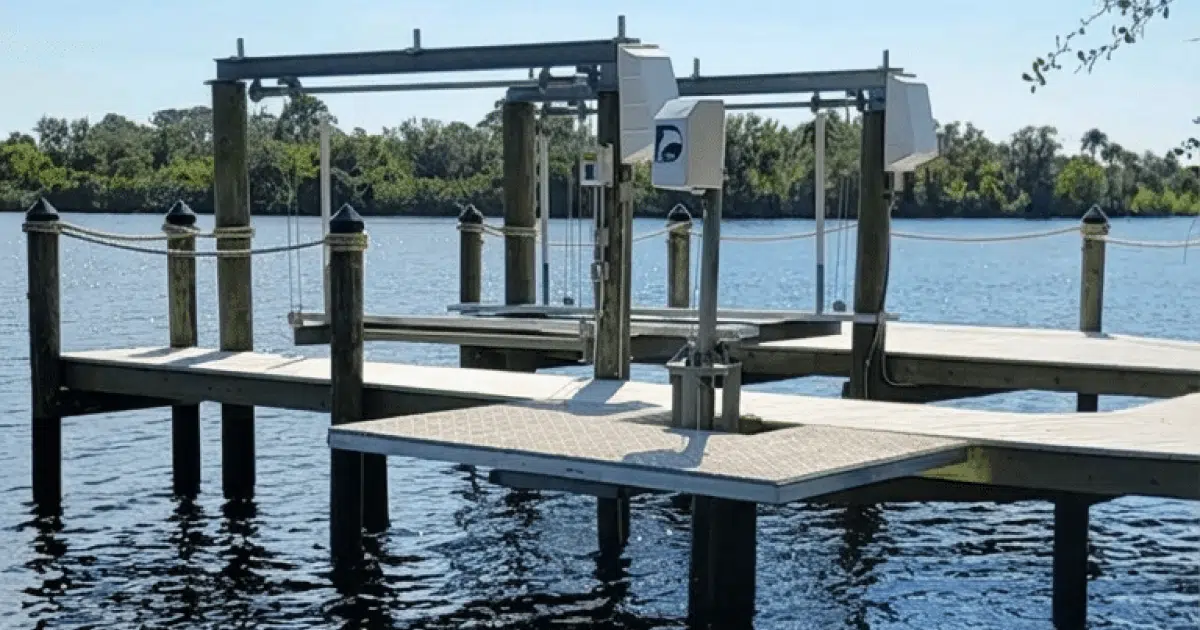
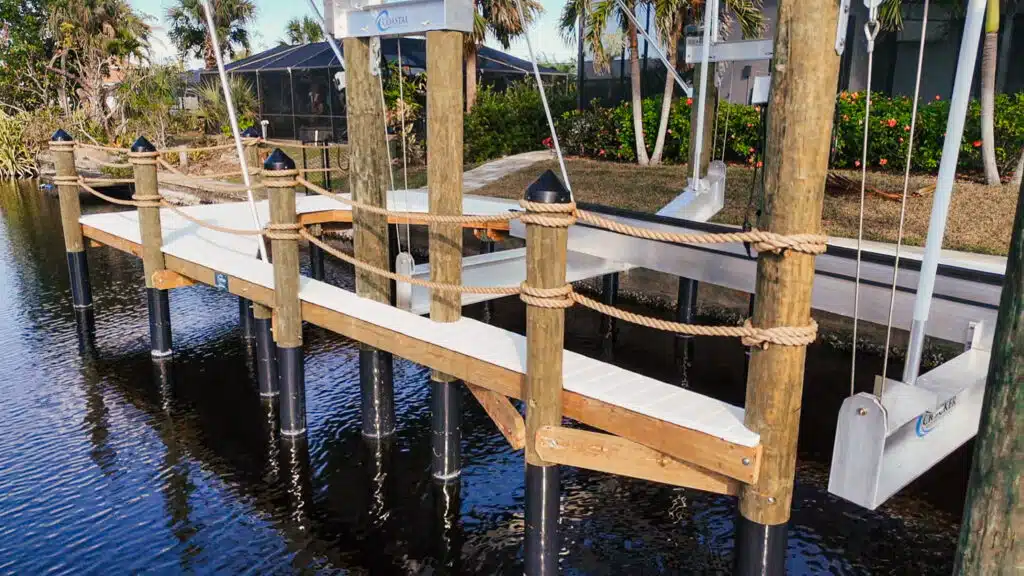
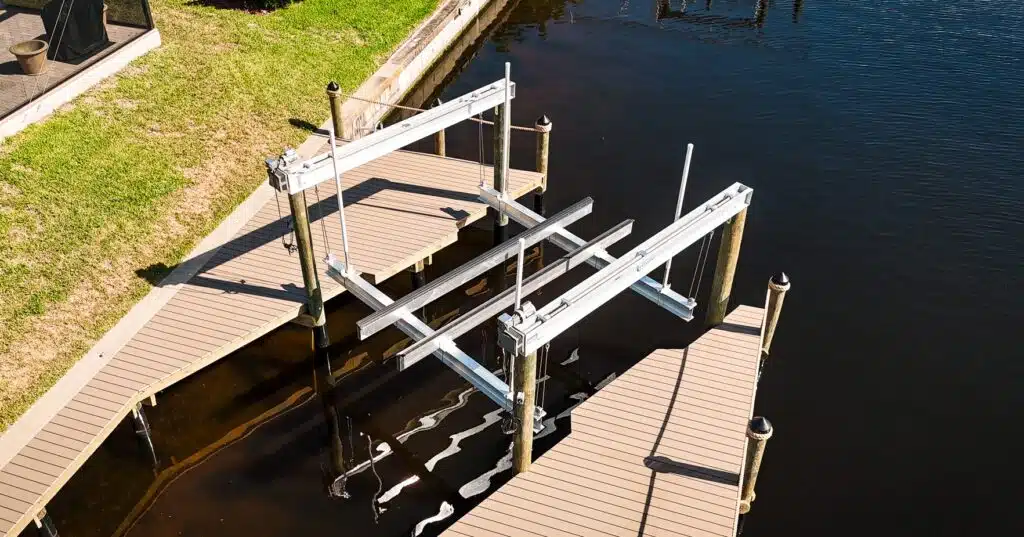
The most common residential choice, 4-post lifts use four pilings with a cradle system that raises your boat out of the water. These lifts work well for most dock configurations and handle a wide range of vessel sizes. The 4-post design provides stability and reliable operation for boats and watercraft of various types.
Elevator Boat Lifts
Also known as vertical boat lifts, elevator lifts provide smooth operation for larger vessels. These lift systems use a different mechanism than standard 4-post designs, offering advantages for specific dock configurations and deeper water applications. The sophisticated engineering increases the investment, but many waterfront property owners prefer the performance and aesthetic appeal.
Hydraulic Boat Lifts
Hydraulic lifts use a hydraulic system to raise and lower your boat. These powered lifts offer smooth, reliable operation with less maintenance than some cable-driven alternatives. A hydraulic boat lift works well in saltwater environments where corrosion concerns make hydraulic systems attractive. Hydraulic lifts provide excellent performance, though the initial cost reflects the quality of the lift mechanism.
Manual Lifts vs. Powered Lifts
Smaller capacity lifts sometimes offer manual operation as a cost-saving option. Manual lifts require physical effort to raise and lower your boat, which works for lightweight watercraft but becomes impractical for larger boats. Most boat owners prefer powered lifts that use electric motors to handle the lifting work. The convenience of powered lifts justifies the additional investment for most applications.
Lift Type Selection for Your Specific Needs
Choosing the right lift requires understanding how different lift options match your property and vessel. The best lift for your boat depends on multiple considerations beyond just capacity.
Water depth at your dock influences which types of boat lifts work best. Deep water locations may need vertical boat lifts or floating systems. Shallow areas present different challenges that affect lift selection and installation costs.
Your dock configuration determines which lift type integrates best with your existing structure. Some dock designs accommodate certain lift styles better than others. Dock modifications may be necessary to install your chosen lift, adding to the overall project cost.
The shoreline characteristics at your property affect installation complexity. Properties with protected canals differ from open water locations. Understanding your waterfront conditions helps you find a lift that performs reliably in your specific environment.
Site Conditions and Installation Complexity
Your property’s unique characteristics significantly impact installation costs. No two waterfront locations present identical conditions, and these differences affect how much boat lift installation will cost at your specific property.
Water Depth Considerations
Adequate water depth ensures your boat clears the bottom when the lift raises your vessel. The water depth at your dock determines piling length requirements and affects which lift options work for your location. Shallow areas may require specialized lift designs, while deep water can increase the complexity and cost of piling installation.
Bottom Conditions and Piling Installation
What lies beneath the water surface dramatically affects installation difficulty. Sandy bottoms allow relatively straightforward piling installation. Muck requires different techniques and potentially additional support structures.
Rock presents the biggest challenge for piling installation. Hitting limestone or coral rock during installation requires specialized equipment to punch through. This situation represents one of the few legitimate reasons for additional costs beyond the original estimate, which is why thorough site evaluation proves so valuable before you got a quote.
Dock Structure and Integration
Your existing dock influences how the lift integrates with your waterfront. The lift must work with your dock design, and older docks might need dock modifications or reinforcement to support lift loads. These structural considerations affect the final price of your installation.
Material Quality and Corrosion Resistance
Southwest Florida’s saltwater environment demands materials that resist corrosion and withstand harsh marine conditions. The materials used in your lift construction significantly impact both initial cost and long-term performance.
Galvanized steel provides excellent corrosion resistance for saltwater applications. This material choice costs more than basic steel but delivers superior lifespan in marine environments. Corrosion-resistant materials prevent the rust and deterioration that plague inferior lifts.
Lifts prone to rust require frequent maintenance and eventual replacement. Investing in quality materials from the start saves you money over the lift’s lifespan. The right materials for saltwater conditions protect your investment and ensure reliable operation for years.
Cable systems in your lift must resist corrosion and maintain strength despite constant exposure to saltwater. Quality cables last longer and provide safer operation than cheaper alternatives that deteriorate quickly.
Electrical Requirements and Power Systems
Boat lifts require electrical power for operation, and the electrical work represents a significant component of installation costs. Understanding these requirements helps you budget accurately for your project.
Powered lifts need adequate electrical service at your dock location. The distance from your electrical panel to the lift affects installation costs. Running new circuits across your property requires materials and labor proportional to the distance covered.
Your existing electrical capacity may need upgrades to support your lift. Older homes with limited panel capacity might require service upgrades before lift installation can proceed. This electrical work must meet current codes and safety standards.
Proper electrical installation ensures safe operation and provides the peace of mind that comes with code-compliant work. Licensed electricians handle this critical component of your lift installation.
Permitting and Regulatory Requirements
Legal compliance forms part of your total investment. Permit costs and regulatory requirements vary by location but apply to all boat lift installations in Southwest Florida.
Lee County, Charlotte County, and other jurisdictions require permits for boat lift installations. These permits ensure your project meets building codes and environmental regulations. The permit process requires detailed plans and documentation of your property characteristics.
Environmental considerations affect permitting in some waterfront locations. Properties near sensitive habitats may require additional review. These requirements protect Southwest Florida’s marine ecosystems while allowing responsible property improvements.
What’s Included in Professional Boat Lift Installation
Understanding what professional installation encompasses helps you evaluate proposals and recognize value in the services provided.
Comprehensive site assessment forms the foundation of accurate pricing. Experienced installers evaluate your property, measure water depth, assess bottom conditions, examine your dock structure, and determine optimal lift placement. This thorough evaluation prevents surprises during installation and ensures the installer can provide accurate cost estimates.
Professional installation ensures your boat lift operates correctly and safely. Experienced crews understand the critical details that separate adequate installation from excellent performance. Proper installation prevents wear, reduces maintenance needs, and extends equipment life.
The installation process includes equipment delivery, piling installation, lift assembly, electrical connection, and testing. Each step requires expertise and attention to detail. Professional installation ensures your boat lift performs reliably from day one.
Operator training helps you use your lift confidently. Professional installers explain operation, maintenance requirements, and basic troubleshooting. This training ensures you can operate your lift safely and effectively.
Documentation provides records you need for insurance, future maintenance, and property files. Permits, warranties, and installation specifications belong in your permanent records.
Optional Features That Add Value to Your Boat Lift
Beyond the basic lift installation, several enhancements improve functionality and protect your investment.
A canopy protects your boat from Southwest Florida’s intense sun and frequent rain. Canopy covers extend your vessel’s finish life, keep the cockpit cooler, and reduce maintenance needs. The canopy investment pays dividends in boat preservation and comfort. Quality canopy systems designed for marine environments resist corrosion and withstand weather conditions that damage inferior products.
Remote control operation adds convenience to your lift. Instead of walking to manual controls, you can operate your lift from your boat or inside your home. This feature appeals to property owners who value modern convenience.
Lighting packages enhance safety and aesthetics at your dock. Proper illumination allows safe nighttime access and creates attractive waterfront ambiance.
The True Price Guarantee: Eliminating Surprise Costs
Change orders have plagued the construction industry for decades. Homeowners receive an initial estimate, sign a contract, and then face unexpected additional charges as work progresses. These surprise costs often stem from inadequate initial evaluation.
The True Price Guarantee eliminates this uncertainty. This commitment means the price you agree to at contract signing is the price you pay at project completion. No surprise costs. No budget-busting change orders. No financial stress midway through your project.
This guarantee works because of thorough professional site evaluation before quoting. Experienced contractors take time to assess every factor that might affect your installation. They identify potential challenges, evaluate solutions, and build accurate estimates that account for your property’s specific conditions.
Two situations fall outside this guarantee. Rock punching represents the first exception. If subsurface rock requires specialized drilling equipment for piling installation, that additional work carries extra cost. However, thorough evaluation usually identifies rock potential before work begins.
Customer-initiated changes represent the second exception. If you decide to modify the project scope after contract signing, those changes naturally affect cost. But changes driven by your preferences differ entirely from contractor-discovered problems that trigger surprise charges.
The peace of mind this approach provides has real value. You can budget confidently, knowing your project cost won’t balloon unexpectedly. You avoid the stress of mid-project financial surprises.
How to Budget for Your Boat Lift Investment
Smart budgeting considers both initial installation and long-term ownership costs. Understanding the complete financial picture helps you make sound decisions about your boat lift investment.
Prepare key considerations and questions for your consultation. What capacity does your vessel require? Which lift type best suits your property? What challenges does your site present? How long will installation take? What maintenance will the lift require?
Recognize warning signs in pricing. Estimates significantly lower than competitors often indicate inadequate evaluation or plans to add charges later. Vague estimates without detailed breakdowns leave room for disputes and surprises. If an installer provides a suspiciously low quote, you might need a replacement quote from a more thorough contractor.
Consider long-term value beyond initial cost. Quality installation and equipment cost more upfront but deliver better performance, longer lifespan, and lower maintenance expenses. Poor installations often lead to bigger repair bills down the road.
Plan for maintenance costs. Lifts require periodic service to maintain safe, reliable operation. Budget for annual inspections and routine maintenance. This ongoing investment protects your initial installation investment and ensures your lift continues keeping your boat safe and accessible.
Local labor rates vary by contractor and affect the final price you pay. Experienced installers with proven track records command higher rates but deliver superior results. The cheapest option rarely provides the best value.
When a Boat Lift Makes Sense for Your Property
Boat lifts represent a significant investment, so understanding when they make sense helps with decision-making. The right boat lift provides benefits that justify the cost for most waterfront property owners.
The benefits of boat lift ownership extend beyond simple convenience. Lifts protect your hull from constant water exposure, preventing bottom paint deterioration, osmotic blistering, and marine growth accumulation. This protection alone saves thousands in bottom maintenance and extends your vessel’s lifespan.
A lift keeps your boat ready for immediate use. No waiting for trailer loading or driving to a marina. Your boat stays at your dock, elevated and protected, ready whenever you want to head out on the water.
Keeping your boat on a lift adds value to your waterfront property. Prospective buyers recognize the convenience and protection a quality lift provides. The lift investment enhances your property’s appeal and marketability.
Hurricane season considerations weigh heavily in Southwest Florida. Elevated boats fare better during storms than those left in the water. While no system guarantees storm protection, proper lift installation provides better protection than many alternatives.
Expert Tips for Choosing Your Boat Lift
Making an informed decision about your boat lift requires understanding several key considerations beyond just cost.
Assess your needs carefully before shopping for a lift. Consider your current boat and potential future vessels. Many waterfront property owners eventually upgrade to larger boats. Selecting a lift with some additional capacity provides flexibility for future changes.
The best lift for your boat matches your vessel’s specifications, your dock configuration, and your waterfront conditions. Don’t let price alone drive your decision. The right lift performs reliably for years, while the wrong lift creates ongoing problems regardless of how much you save initially.
Work with experienced installers who understand Southwest Florida’s unique marine environment. Local expertise matters because our waterways present specific challenges. Contractors familiar with our conditions provide better results than those learning on your property.
Ask about the materials used in lift construction. Ensure your lift uses corrosion-resistant components suitable for saltwater. The material quality affects how well your lift withstands our harsh marine environment.
Understand what the installation includes. Professional installation ensures your boat lift operates safely and efficiently from day one. Confirm that electrical work, permits, and testing are part of the package.
Getting an Accurate Quote for Your Boat Lift Project
Preparing for your consultation helps contractors provide accurate estimates and helps you find a lift that meets your needs.
Gather information about your vessel before the consultation. Know your boat’s length, beam, and weight specifications. This information helps installers recommend the appropriate lift capacity and type of lift for your situation.
On-site evaluation matters because your property’s specific conditions drive accurate pricing. Contractors need to see your dock, measure water depth, assess bottom conditions, evaluate electrical access, and understand your property’s unique characteristics. Phone quotes miss critical details that affect the final price.
Professional contractors ask detailed questions. They need to understand your vessel, your usage patterns, your concerns, and your long-term plans. Installers who don’t ask questions likely aren’t gathering the information needed for accurate estimates.
Timeline from quote to installation varies based on permit processing, equipment availability, and contractor scheduling. Understanding realistic timeframes helps you plan appropriately. The lift may take several weeks from contract signing to completed installation, depending on these factors.
Why Professional Installation Matters
Your boat lift represents a significant investment in your waterfront lifestyle. Professional installation by experienced, licensed contractors ensures you receive the performance, safety, and longevity you deserve.
Proper installation affects every aspect of lift performance. Correctly installed pilings provide stable support. Proper alignment prevents premature wear. Quality electrical work ensures safe operation. Professional installation ensures your boat receives the protection you’re paying for.
Licensed contractors understand local building codes and permit requirements. They handle the regulatory compliance that protects you from future problems. Working with licensed, insured professionals provides liability protection and quality assurance.
Experience matters in marine construction. Installers who regularly work in Southwest Florida’s waterways understand the challenges our environment presents. They know how to handle rock, deal with varying water depths, and select materials that perform well in saltwater.
Protecting Your Investment with Crocker Marine Services
Crocker Marine Services brings decades of combined experience to every boat lift installation in Southwest Florida. Our licensed team (CBC1266139) understands the unique challenges of our local waterways, from Cape Coral canals to Marco Island estates.
Our experience with post-Hurricane Ian reconstruction taught us valuable lessons about building structures that withstand Southwest Florida’s challenging conditions. We apply this knowledge to every installation, ensuring your lift performs reliably for years to come.
Customer satisfaction drives everything we do. We focus on clear communication, professional craftsmanship, and standing behind our work. Our service department supports your lift long after installation, providing maintenance and repairs when needed.
We’re active members of the Southwest Florida community, participating in local chambers of commerce and supporting the waterfront lifestyle that makes this region special. Your success matters to us because we’re your neighbors, not just your contractors.
Ready to Discuss Your Boat Lift Project?
Every property presents unique characteristics, and every boat owner has specific needs. Understanding how much boat lift installation might cost at your property requires professional evaluation of your specific situation.
We’d welcome the opportunity to visit your property, assess your boat and waterfront conditions, and provide transparent guidance about your lift options. Our consultation process involves no pressure, just professional evaluation and honest recommendations that help you make an informed decision.
You can reach Crocker Marine Services at (239) 841-9674. We respond quickly because we know your time matters.
Our office at 9810 Littleton Road in North Fort Myers is open Monday through Friday, 8:00 AM to 5:00 PM. However, we schedule property consultations at times convenient for you, including evenings and weekends when necessary.
Let’s discuss your boat lift project and create a plan that protects your vessel, enhances your property, and fits your budget. With the True Price Guarantee, you’ll know exactly what you’re investing before work begins. Contact us today to learn more about boat lift installation cost for your Southwest Florida property.